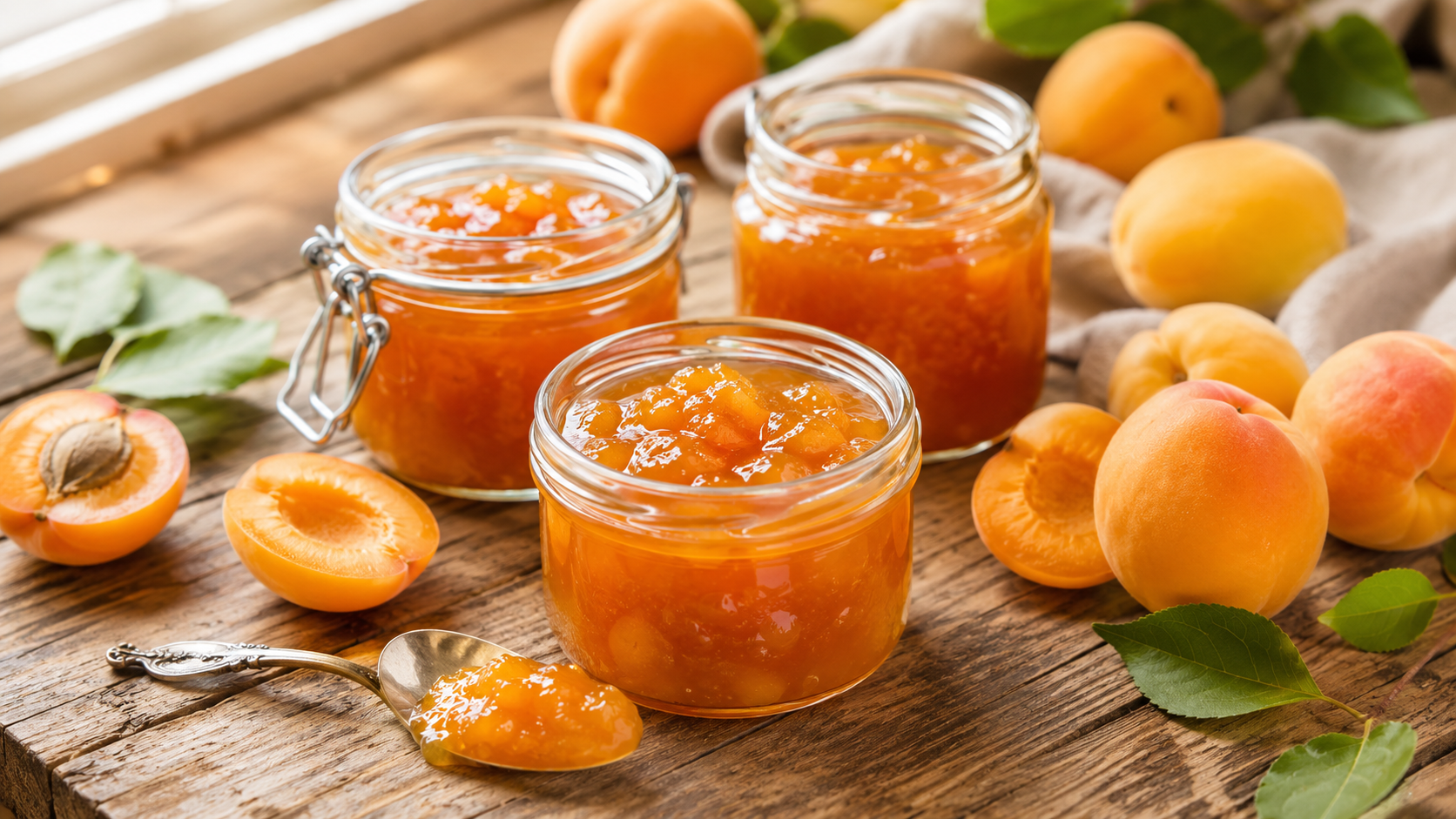
It's late December, the apricots at the greengrocer have gone from rock-hard to bruised-and-cheap in about four days, and you've bought two kilos on impulse because the smell hit you from three metres away. This is the exact window most home cooks miss. Wait a week and you're either paying import prices for New Zealand fruit or making jam from apricots that have already turned to mush in the fruit bowl.
I've made apricot jam more Decembers than I haven't, in kitchens from Adelaide to regional Victoria, on stoves that ranged from a temperamental gas cooktop to an induction plate that ran hot no matter what number I set it to. The apricots don't care about your kitchen. What they care about is pectin, acid, and sugar ratios — and those three things are where almost every failed batch goes wrong.
Here's the promise:
By the end of this guide, you'll know why your last batch didn't set, what to do about stone fruit's notoriously low pectin levels, and how to get a jam that holds a spoon upright without turning into something you could use to sole a boot.
Why Apricot Jam Is Trickier Than It Looks
Apricots are low in natural pectin compared to fruit like citrus or apples. That's the single biggest reason home-made apricot jam ends up syrupy rather than set. Commercial jams get around this with added pectin; a lot of traditional recipes get around it by using slightly underripe fruit (which has more pectin than fully ripe fruit) and a decent hit of lemon juice for acid.
If you've ever had a batch that tasted fantastic but ran off your toast like syrup, that's not a technique failure — that's a pectin and acid shortfall. Fixable, and I'll show you how.
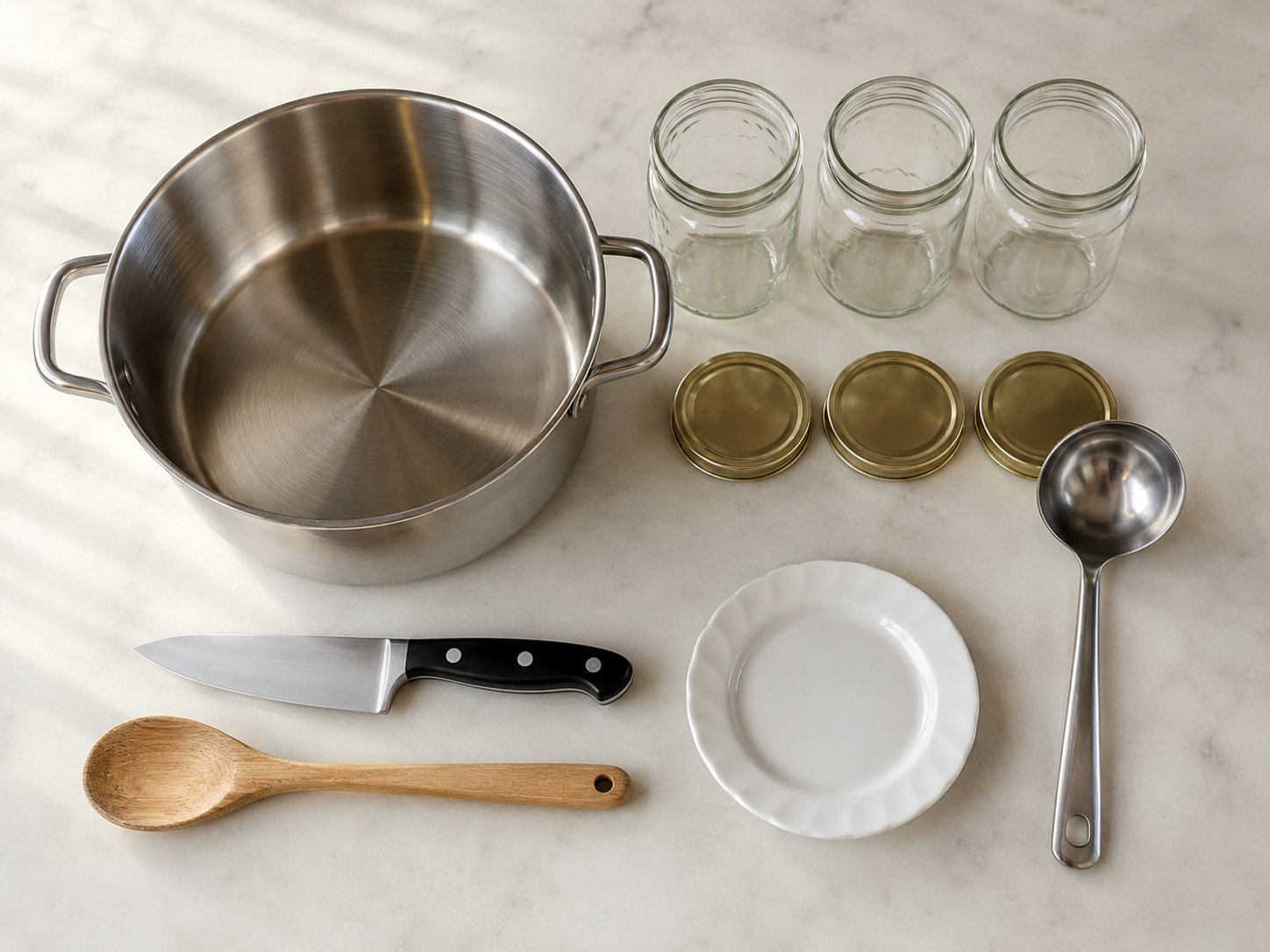
Equipment essentials: a heavy-based wide pot for fast evaporation, wooden spoon, clean jars, and a saucer in the freezer.
Ingredients (Makes About 4–5 Standard 250ml Jars)
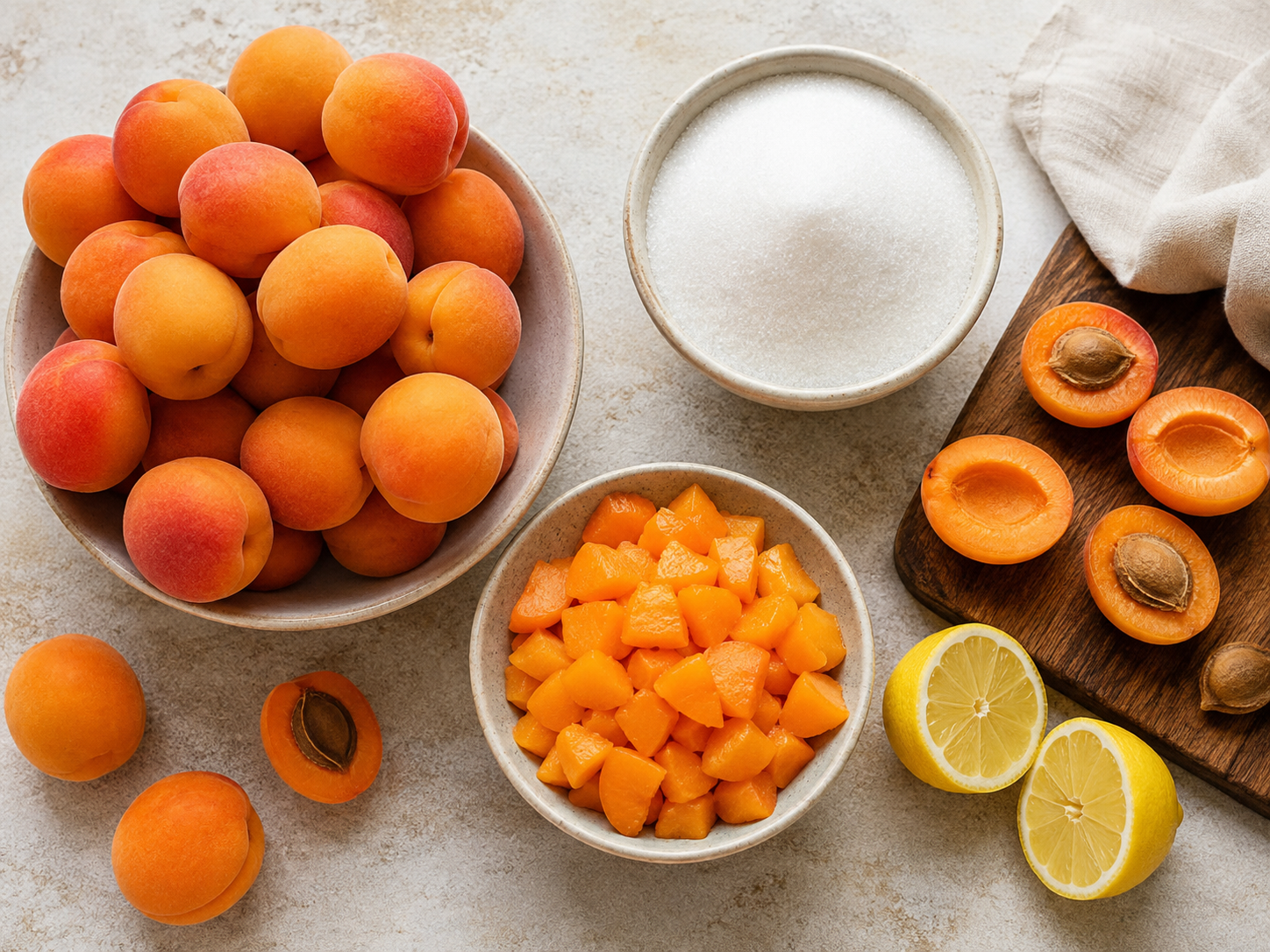
- 1.5 kg apricots — slightly underripe to just-ripe, stones removed.
- 1.2 kg white sugar — standard granulated, not jam-setting sugar (we'll get natural set from technique).
- Juice of 2 fresh lemons — crucial acid to activate the pectin and balance the intense sweetness.
- 1 vanilla bean, split — optional, but it does something lovely to apricot's natural floral notes.
- A knob of unsalted butter (about walnut size / 15g) — stops excessive froth and foam forming; an old country trick that actually works.
⚖️ A Note on Ratios
This recipe sits close to a 1:0.8 fruit-to-sugar ratio, slightly less sweet and brighter than the old-fashioned 1:1 ratio. If you want a firmer commercial-style set and don't mind it sweeter, feel free to increase the sugar up to 1.3 kg.
Step-by-Step Method
Prep the Fruit
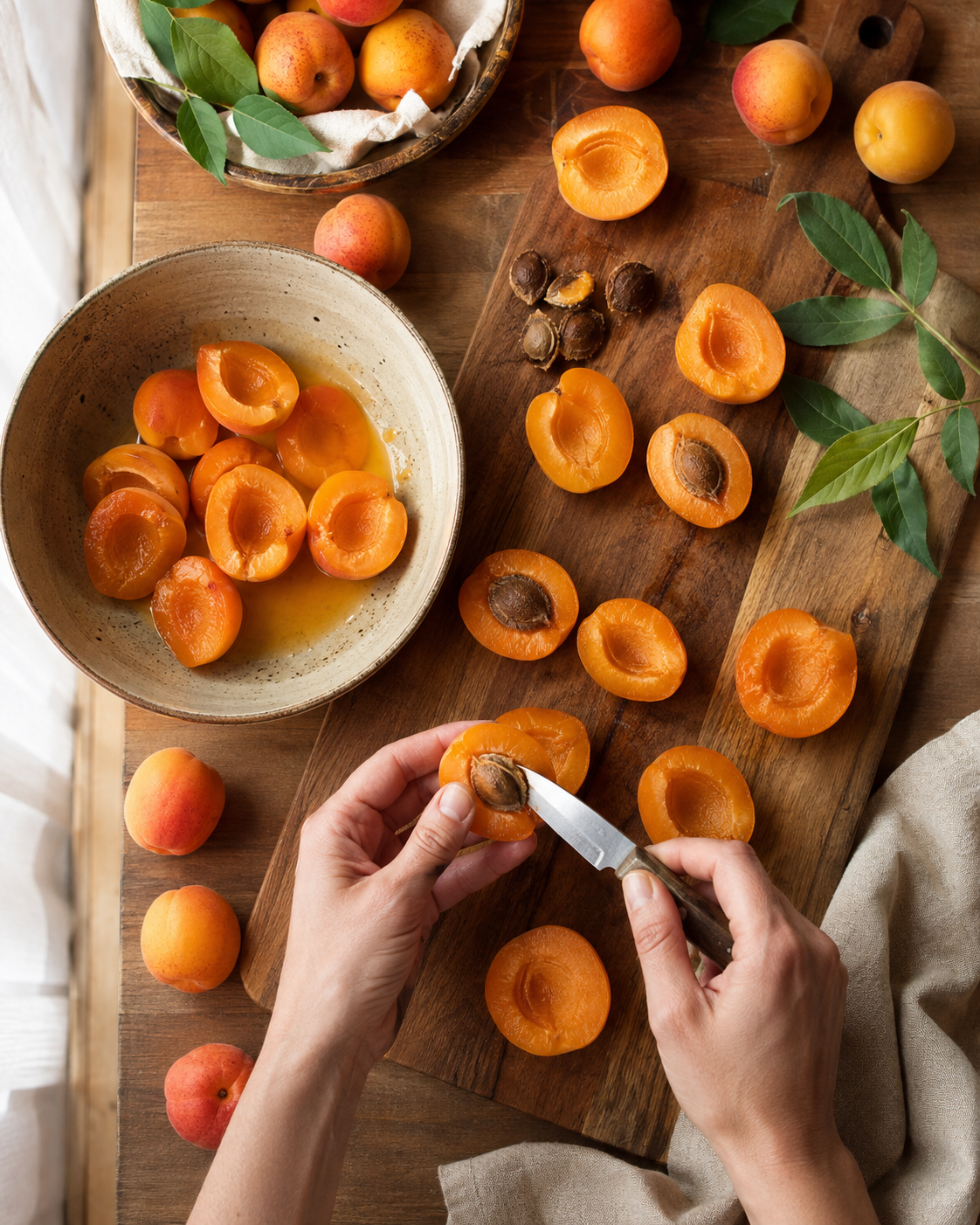
Halve and stone the apricots, then roughly chop — keep chunks intact for texture in the finished jam. Transfer to a heavy-based, wide pot (wide surface area allows faster moisture evaporation, preserving vibrant color and natural pectin).
Macerate
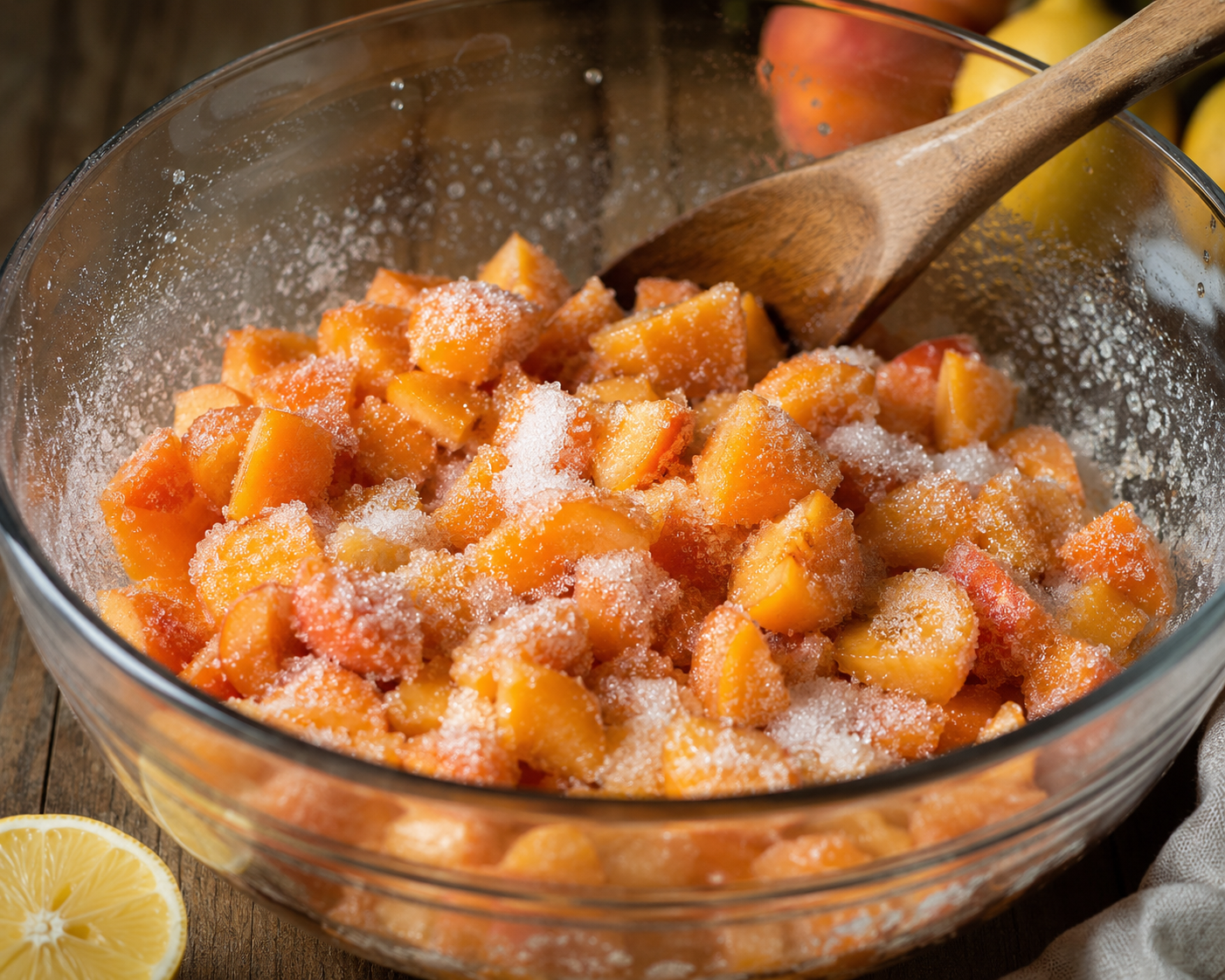
Add the sugar and lemon juice (along with the split vanilla bean if using), stir well, and leave for at least 2 hours or overnight in the fridge. This draws out rich juices and dissolves sugar ahead of cooking, preventing scorching.
Cook Low, Then Push High
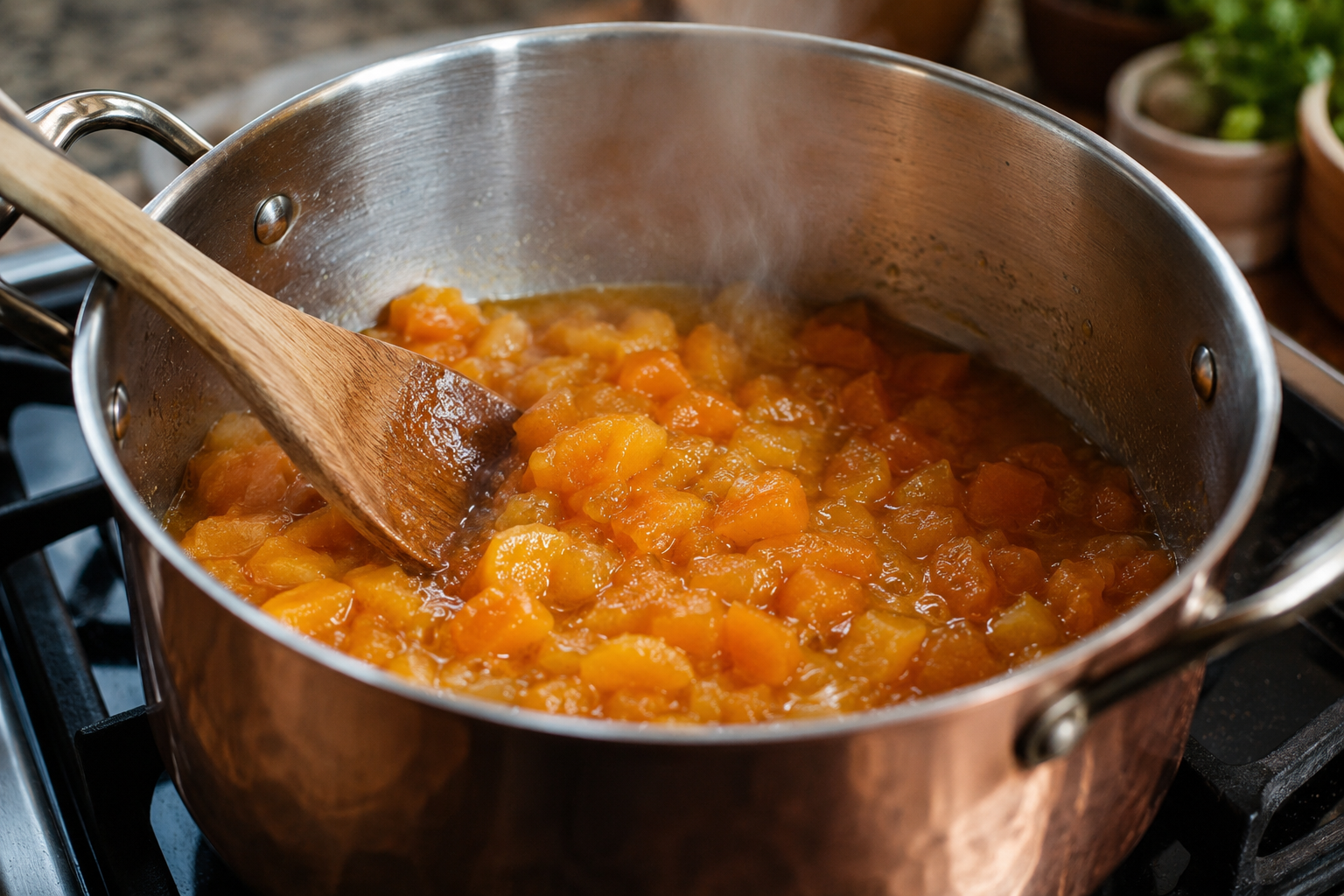
Start on medium-low heat until the sugar has fully dissolved — test by feeling for gritty resistance with your spoon. Add the butter knob to reduce foam. Once completely smooth and dissolved, crank to a rolling boil.
Watch, Don't Wander
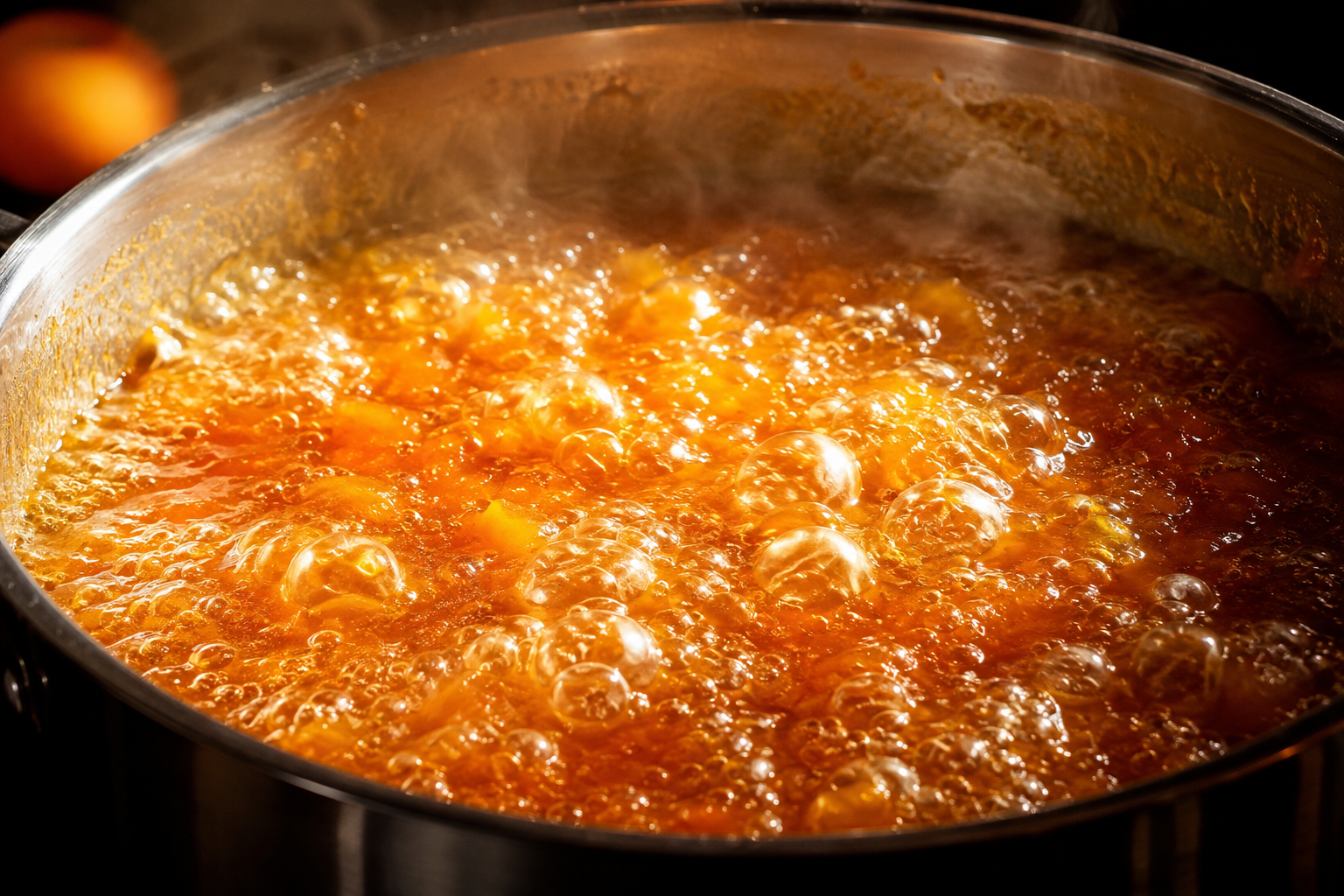
At a rolling boil, apricot jam takes 15–25 minutes to reach setting point. Stir occasionally to prevent sticking, and skim off any excess foam with a metal spoon.
Test for Set Properly
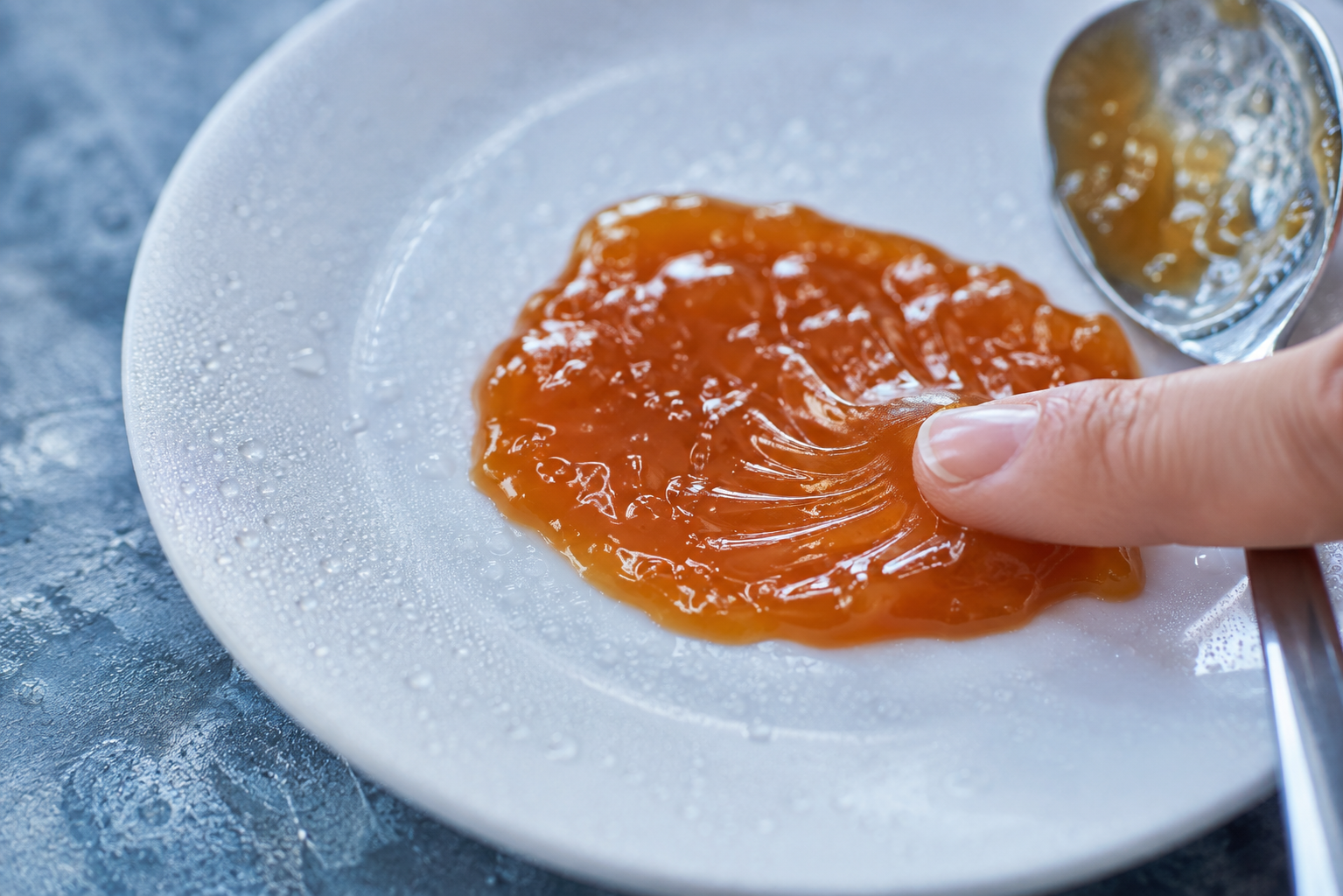
Drop a teaspoon of hot jam onto a frozen saucer, wait 60 seconds, then push gently with your fingertip. If it crinkles and holds a distinct wrinkle line, you're at setting point. If it flows back, boil for 3 more minutes.
Jar It Hot
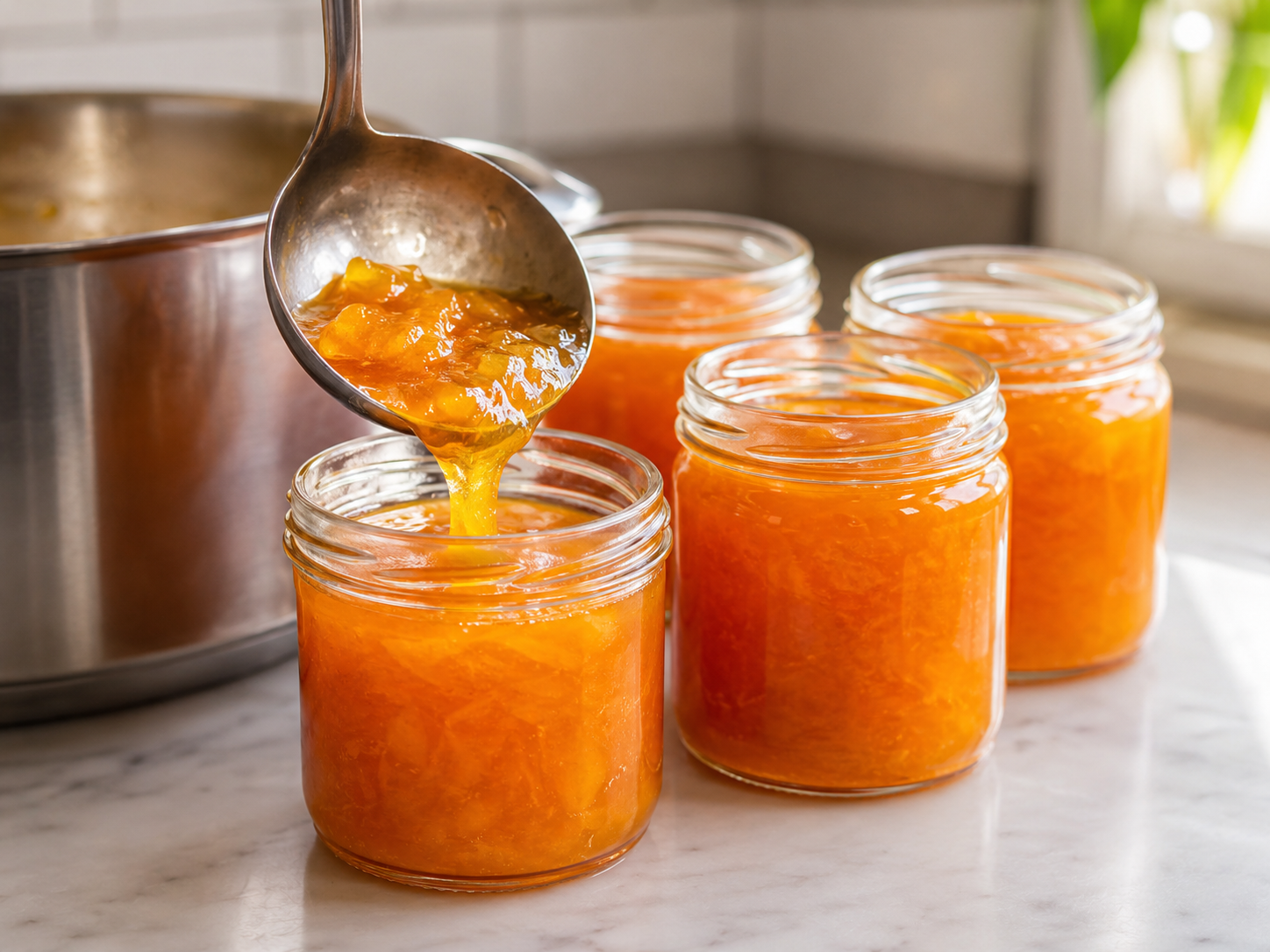
Ladle boiling hot jam into warm sterilised jars up to 5mm from the top. Wipe the rims spotless with a clean cloth and seal with lids immediately to create an airtight vacuum.
Sterilising Jars, the Fast Way
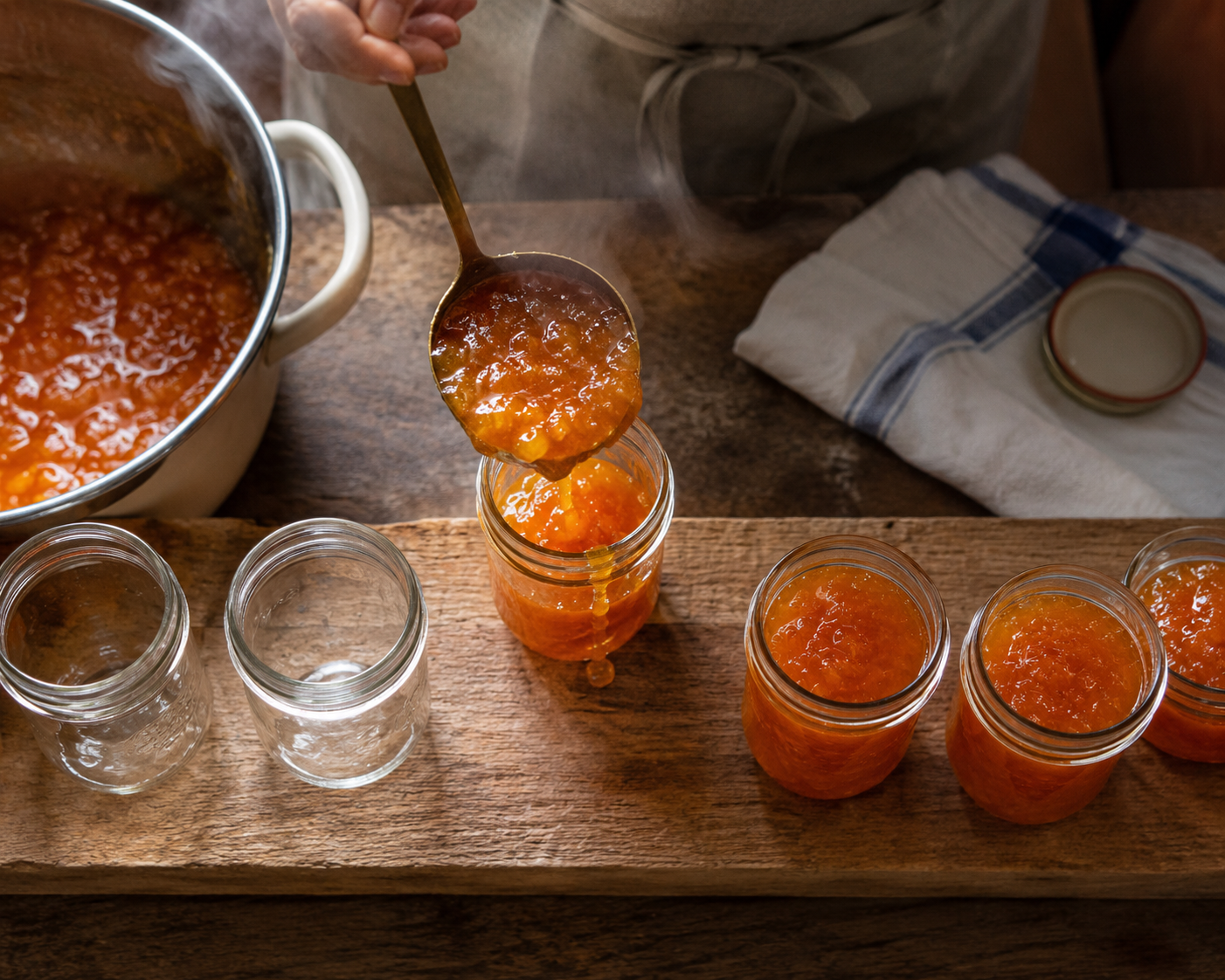
You don't need a fancy setup. Wash jars and lids in hot soapy water, then either:
- Option A: Dishwasher Method: Run them through a dishwasher on a hot cycle with no detergent, timed to finish just before your jam is ready.
- Option B: Oven Method: Place clean, wet jars upright on a baking sheet in a 120°C (250°F) oven for 15 minutes. Keep them warm until ready to fill.
Fowlers Vacola gear is the traditional choice in a lot of Australian kitchens for actual water-bath preserving if you want shelf-stable jars for long storage rather than fridge storage. For jam you're going to eat within a few months, straightforward sterilising as above is genuinely enough — you don't need to buy specialised preserving equipment for this.
Common Ways This Goes Wrong (And How to Fix Each One)
Apricot jam is simple, but fruit chemistry can be unpredictable. Here is how to diagnose, rescue, and prevent common batch issues:
The Jam Won't Set (Runny Texture)
Why it happens: Not enough acid, or the fruit was overripe (which drastically lowers natural stone fruit pectin).
Add another tablespoon of fresh lemon juice and retest on a frozen saucer in 3 minutes. If still stubborn, stir in 1 tsp of powdered fruit pectin.
It Set Too Hard (Like Fruit Leather)
Why it happens: Overshot setting point — boiled several minutes too long past 105°C (220°F).
Start doing the cold saucer test 5 minutes earlier. Loosen an over-set batch by gently reheating with a splash of hot water and lemon juice.
Scorched on the Bottom of the Pot
Why it happens: Sugar wasn't fully dissolved before cranking to high heat, or the pot base was too thin.
Macerate thoroughly and dissolve slowly on low. Never scrape the burnt base into the good jam — discard the pot residue.
Mould Appears After a Few Weeks
Why it happens: Jars or lids not properly sterilised, jam wasn't boiling hot when sealed, or dirty rim residue.
Ladle boiling hot into hot jars, wipe rims spotless before lidding, and store opened jars in the fridge.
Variations Worth Trying
Apricot & Almond
Stir in a small handful of lightly toasted flaked almonds right at the end before jarring. The slight nutty bitterness plays delightfully against the tart sweetness.
Apricot & Vanilla Bean
As in the main recipe above — 1 split vanilla pod infused during cooking rounds out stone fruit's slight acidity and creates a bakery-quality preserve.
Spiced Apricot
Add 1 cinnamon stick and 3 cracked cardamom pods during cooking (discard before jarring). Turns this into a chutney-adjacent preserve, fantastic with sharp cheddar.
Low-Sugar Version
Reduce sugar to around 800g per 1.5kg fruit and use low-sugar setting pectin (sold as jam-setting sugar). Standard sugar ratios below 1:0.6 won't set naturally.
When to Buy Your Apricots
In most of Australia, apricots peak from late November through January, with December typically the sweet spot for volume and price. Buying in that window, slightly underripe rather than fully soft, gives you both better pectin content and a better price per kilo than waiting for peak ripeness.
Frequently Asked Questions
The Bottom Line
Apricot jam rewards patience more than any fancy technique — the maceration step, the wide pot, and the actual cold-plate test are what separate a jam that holds its shape from one that runs off your toast. Get those three things right and the rest genuinely takes care of itself.
Made a batch? I'd genuinely like to know how it turned out, and whether you went with the vanilla or the spiced version. Leave your rating and notes below!