More than a simple cookie, the ANZAC biscuit is woven into the cultural fabric of Australia and New Zealand. Born during the Gallipoli campaign of World War I, women on the home front created these eggless biscuits using rolled oats, flour, sugar, butter, and golden syrup to ensure they would survive the long months of maritime transport to soldiers overseas without spoiling.
While debate often rages across dinner tables over whether ANZAC biscuits should be crispy or chewy, the chewy version reigns supreme for good reason. A brief 12-minute bake and the inclusion of moisture-rich brown sugar produces a cookie with an irresistible bend, rich buttery depth, and crispy lace edges.
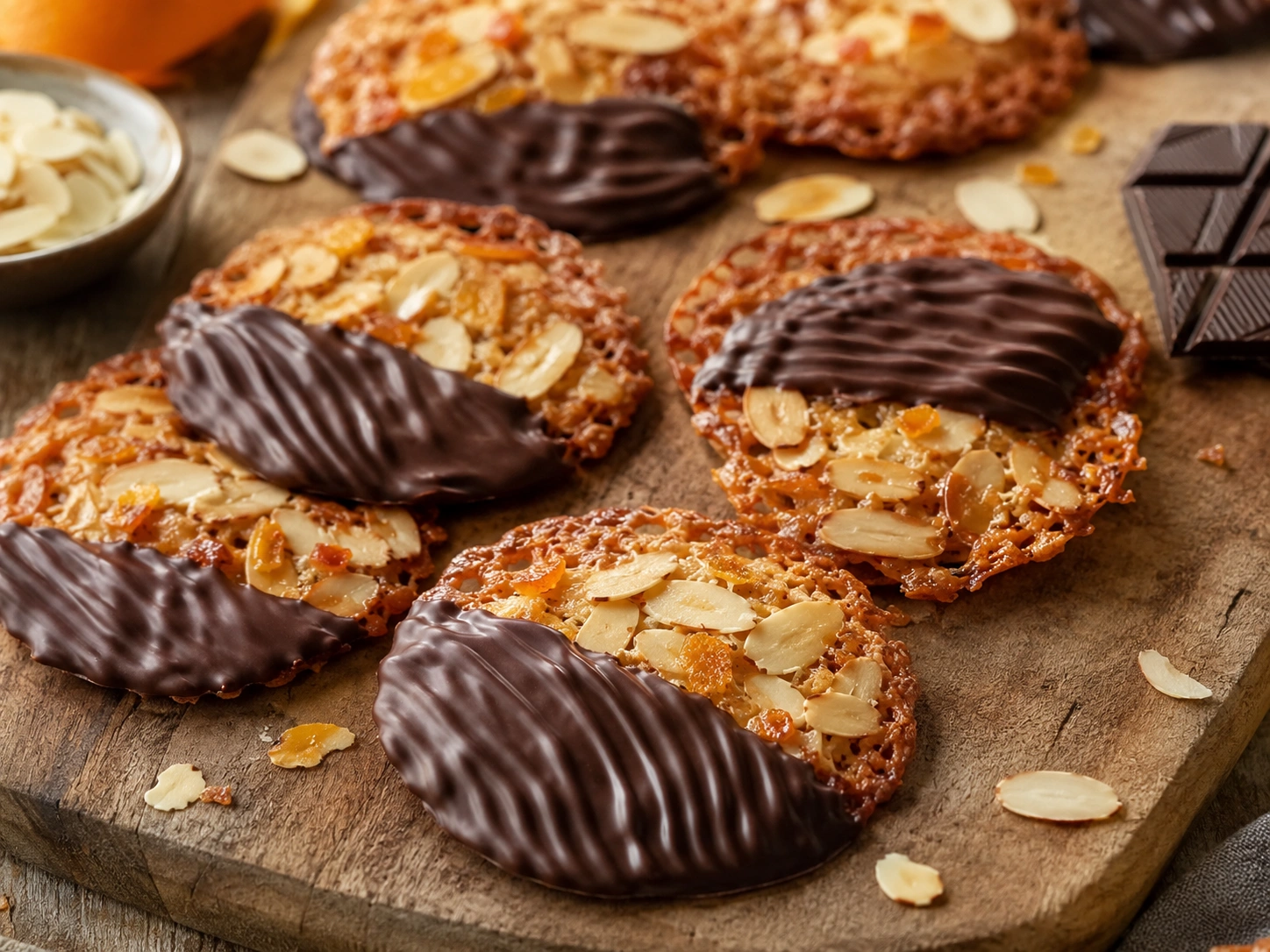
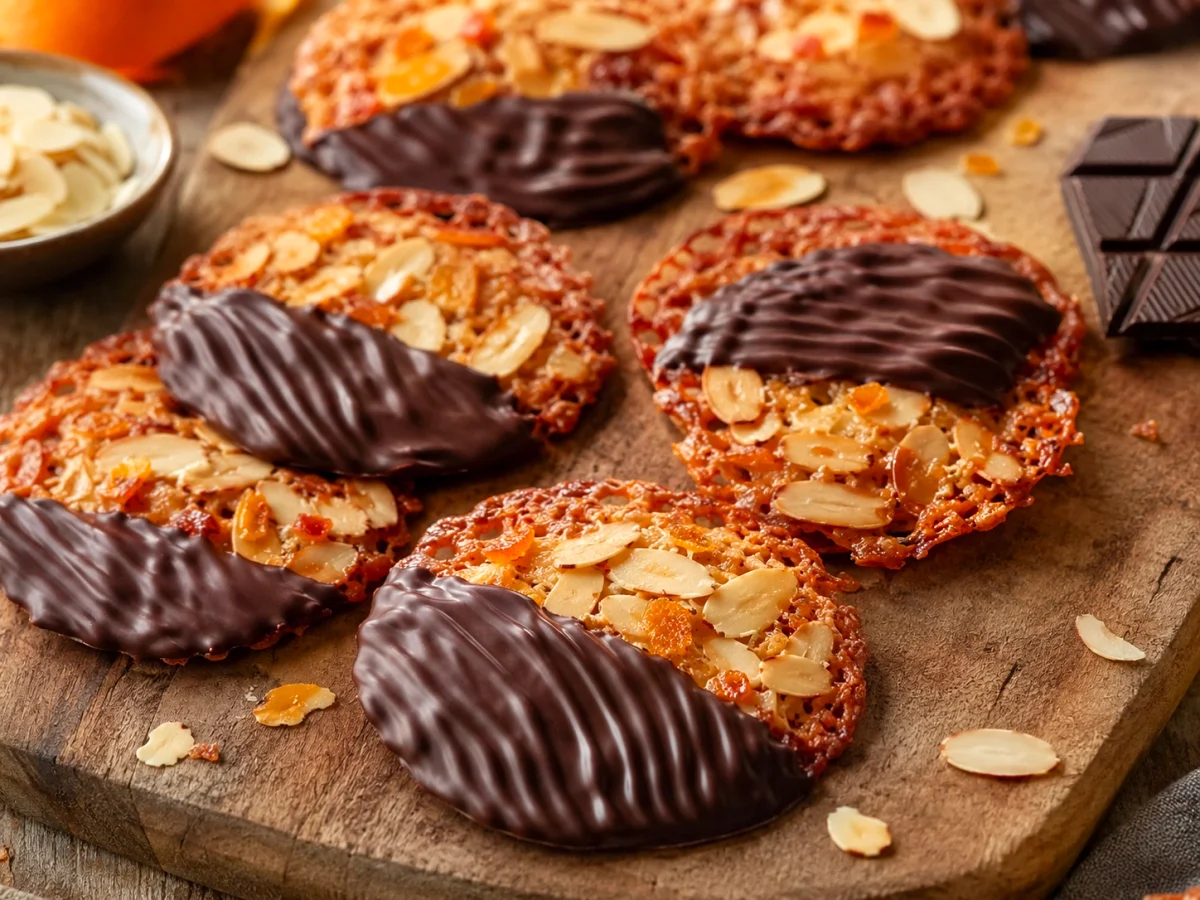
Explore our favourite bakes like our Crisp Almond Florentines, Chewy ANZAC Slice, and Traditional Lemon Slice.
The Chemistry of the Perfect Chewy Texture
Why do some ANZAC biscuits turn rock-hard while others remain bendable and chewy? The key is controlling water activity and sugar crystallization.
Invert Sugar and Moisture Retention
Golden syrup is an invert sugar composed of glucose and fructose. Unlike sucrose (white table sugar), invert sugars inhibit crystallization and actively retain water molecules from the atmosphere. Paired with brown sugar and an exact 12-minute bake time, the interior remains soft and chewy for weeks.
Core Ingredients Breakdown
- Rolled Oats: Use whole rolled oats (traditional porridge oats). They absorb the foaming golden syrup and provide rustic, hearty chew.
- Golden Syrup: Lyle's or CSR Golden Syrup gives that authentic toasted honeycomb flavor.
- Desiccated Coconut: Fine coconut absorbs butterfat and gives toasted, nutty notes.
- Brown Sugar: The molasses content guarantees a soft center rather than a brittle crunch.
- Bicarbonate of Soda & Boiling Water: Foams the golden syrup to aerate the dough naturally without baking powder.
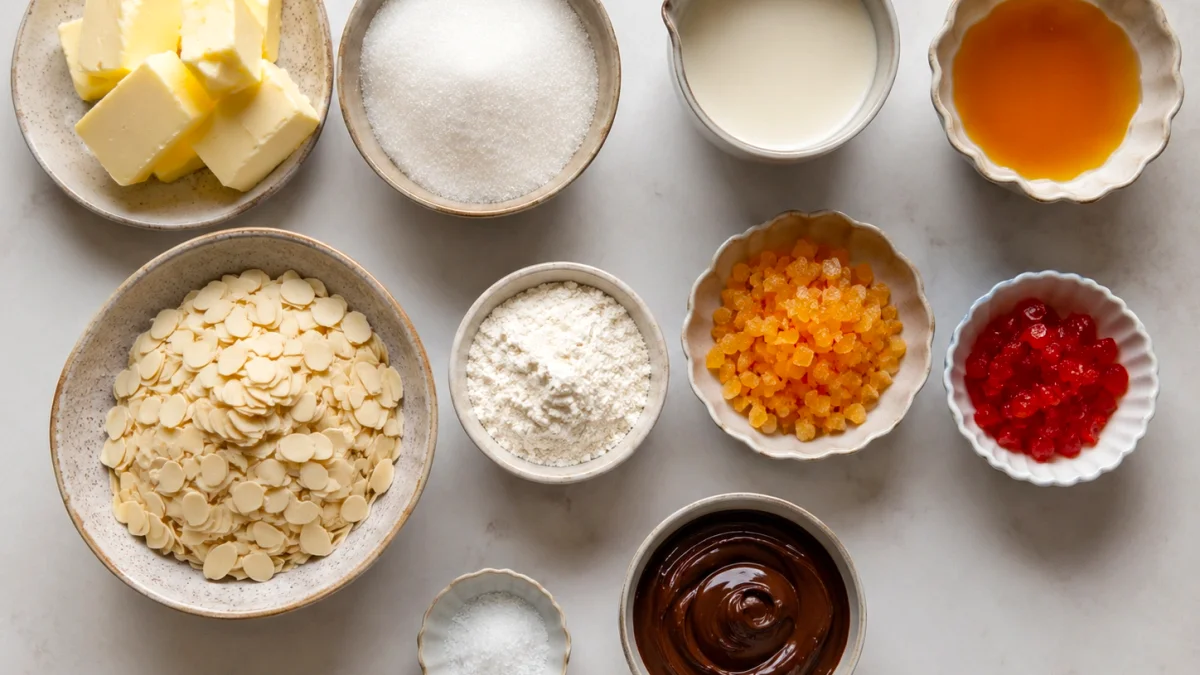
Heritage Ingredients: Rolled oats, plain flour, brown sugar, desiccated coconut, butter, golden syrup, and bicarb soda
Step-by-Step Baking Method
Mix Dry Ingredients
In a large bowl, whisk together 100g rolled oats, 150g plain flour, 130g brown sugar, and 65g desiccated coconut, rubbing out any brown sugar clumps.
Melt Butter and Golden Syrup
Melt 125g butter and 60ml golden syrup in a small saucepan. Dissolve 1/2 tsp bicarb in 2 tbsp boiling water, then stir into the warm butter syrup. Watch it expand into a golden frothing foam.
Shape and Flatten Balls
Pour the foaming syrup over the oats and mix into a glossy dough. Roll into 18 balls (1 1/2 tbsp each) and place 5cm apart on lined baking trays. Flatten lightly into 1cm thick discs.
Bake to Golden Perfection
Bake at 160°C (140°C fan) for 12 to 14 minutes until golden amber with slightly darker edges. Cool on trays for 10 minutes to set before transferring to wire racks.
Mistakes That Ruin ANZAC Biscuits
Baking at High Temperatures
High heat (180°C or higher) caramelizes the edges before the center bakes, causing cookies to dry out and snap rather than chew. Always bake at 160°C (140°C fan).
Moving Freshly Baked Biscuits Too Soon
ANZAC biscuits are very soft straight out of the oven. If lifted immediately, they will warp and tear. Always rest for 10 minutes on the hot tray.
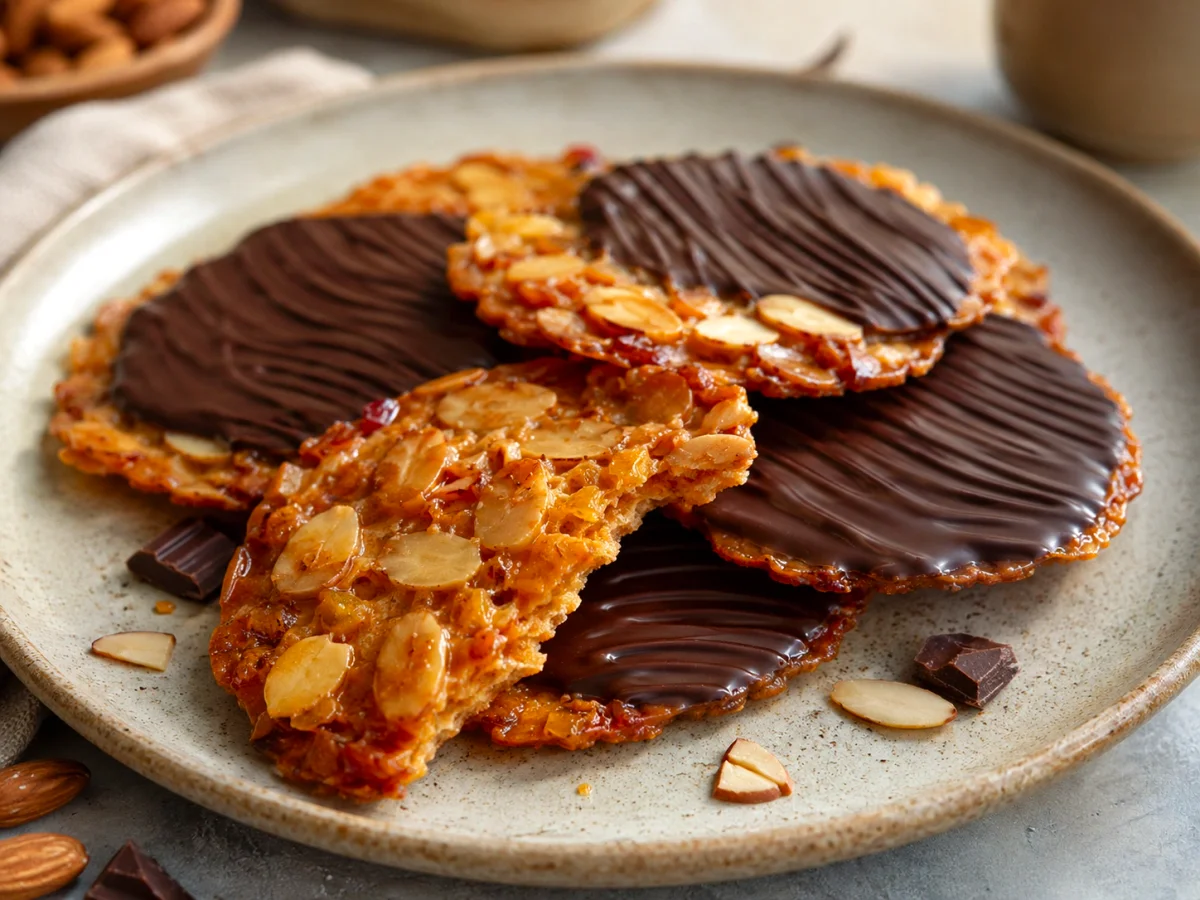
Aussie Tradition: Serve with a hot cup of tea or a flat white.
Frequently Asked Questions
How do you make ANZAC biscuits chewy instead of crunchy? +
For a chewy ANZAC biscuit, use brown sugar instead of white sugar (its molasses content retains moisture), bake at a slightly lower temperature (160°C / 140°C fan), and bake for only 12 to 14 minutes. The biscuits will look soft when removed from the oven but will set into a chewy center as they cool.
Why do you dissolve bicarbonate of soda in boiling water? +
Dissolving bicarb in hot water before adding it to warm golden syrup ensures immediate dispersion and prevents bitter alkaline hot-spots in the biscuits. The resulting foaming reaction aerates the cookie dough, giving lightness and caramel depth.
Why are eggs never used in authentic ANZAC biscuits? +
ANZAC biscuits were created during World War I by Australian and New Zealand women to send to soldiers fighting overseas. Because eggs were scarce and caused baked goods to spoil quickly on long sea voyages, golden syrup, butter, and bicarb were used as the shelf-stable binding agent.
Can I use quick oats instead of rolled oats for ANZAC biscuits? +
Traditional rolled oats give the best authentic chew and texture. Quick oats can be used, but the cookies will spread flatter and have a more uniform, cake-like crumb.
What can I substitute for golden syrup in ANZAC biscuits? +
Golden syrup provides the quintessential ANZAC flavor. If unavailable in your region, substitute with light treacle, light molasses, or dark corn syrup blended with a dash of honey.
Why did my ANZAC biscuits spread too thin? +
Biscuits spread too thin if the butter mixture was boiling hot when added to the oats, or if there was too much golden syrup. Let the melted butter cool slightly before mixing, and measure golden syrup accurately.
How long do ANZAC biscuits keep fresh? +
Stored in an airtight tin at room temperature, ANZAC biscuits stay fresh and chewy for up to 3 weeks. They are one of the longest-lasting homemade cookies in the world.
Can you freeze ANZAC biscuit dough? +
Yes, roll the dough into balls and freeze on a tray for 1 hour. Transfer to a zip-top bag and freeze for up to 3 months. Bake directly from frozen, adding 2 extra minutes to the bake time.
Are ANZAC biscuits legally protected in Australia? +
Yes, the word 'ANZAC' is legally protected by the Australian Department of Veterans' Affairs. Commercial bakers must adhere strictly to traditional recipes and may never refer to them as 'ANZAC cookies'.
How do you make ANZAC biscuits extra crispy? +
To make crunchy, crispy ANZAC biscuits (the classic RSL canteen style), swap brown sugar for white caster sugar, flatten the dough balls thinner, and bake for 16 to 18 minutes until dark amber.