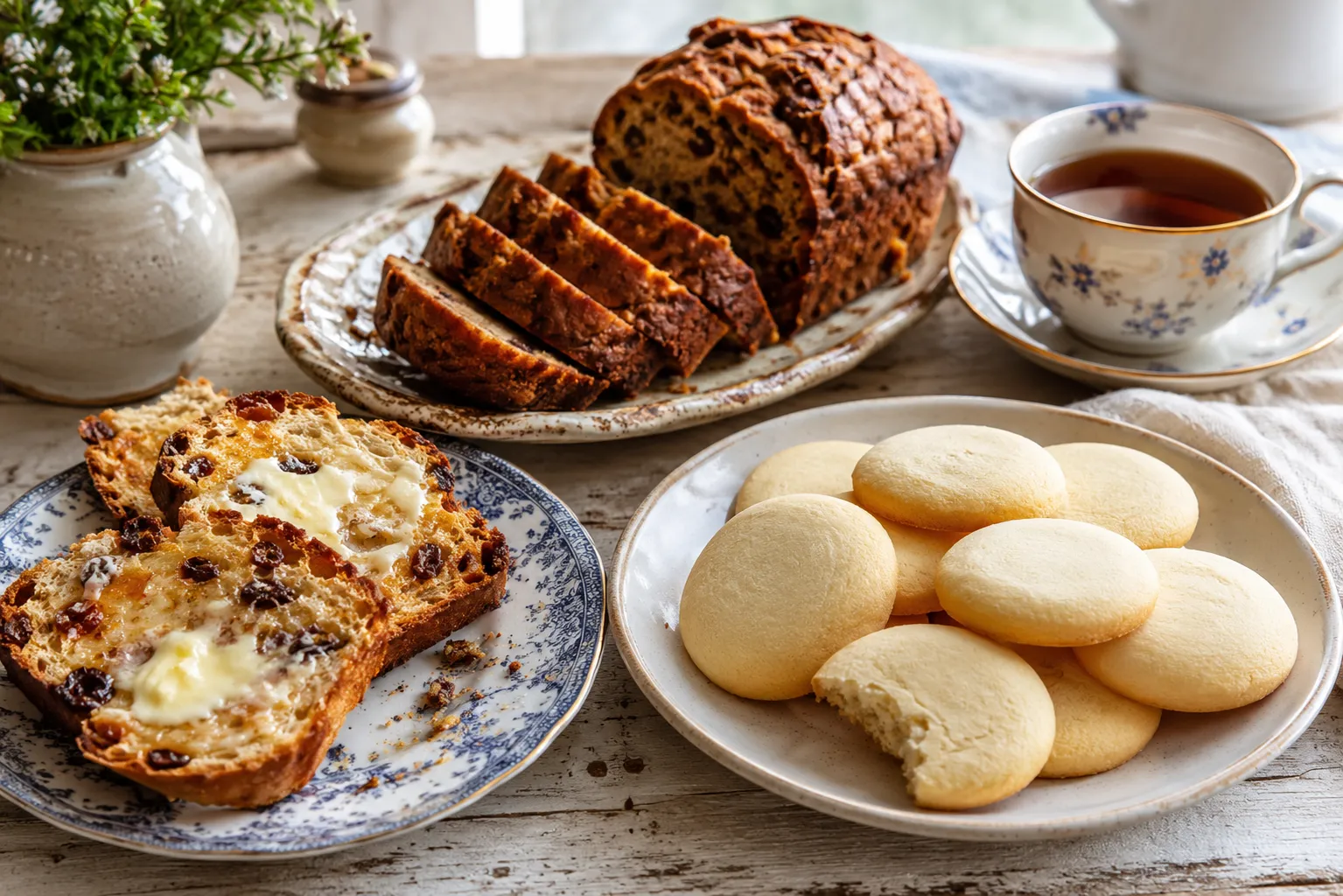
Ask someone what a "tea cake" is, and you'll get three completely different answers depending on where they grew up. A Brit will picture a toasted, currant-studded bun split open and dripping with butter. A grandmother in Georgia or Alabama will describe something closer to a soft, cakey sugar cookie, the kind that shows up at every family gathering in a battered Tupperware. And in parts of the Caribbean and South Asia, "tea cake" means something else again — a dense, lightly spiced loaf cake served in thin slices alongside a cup of strong tea.
The confusing part is that all of these are correct. "Tea cake" isn't one recipe — it's a category, shaped by whatever region adopted the phrase and made it their own. This guide walks through the major versions, where they came from, how to make them, and the mistakes that trip people up most often.
---
What Exactly Is a Tea Cake?
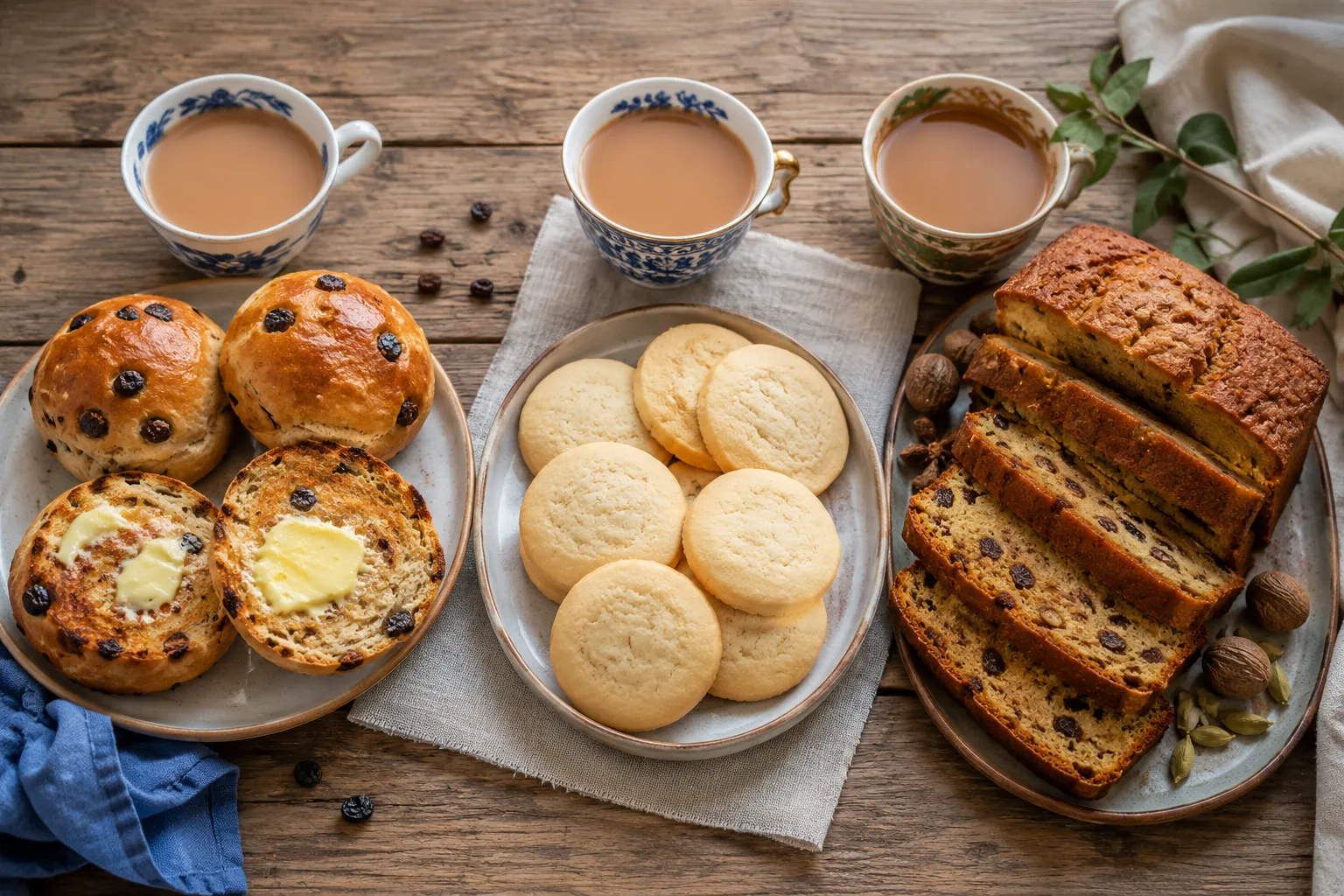
At its core, a tea cake is simply a baked good designed to be eaten alongside tea — not too sweet, not too rich, meant for an afternoon break rather than dessert after dinner. That's the thread connecting every variety, even though the actual baking method varies enormously.
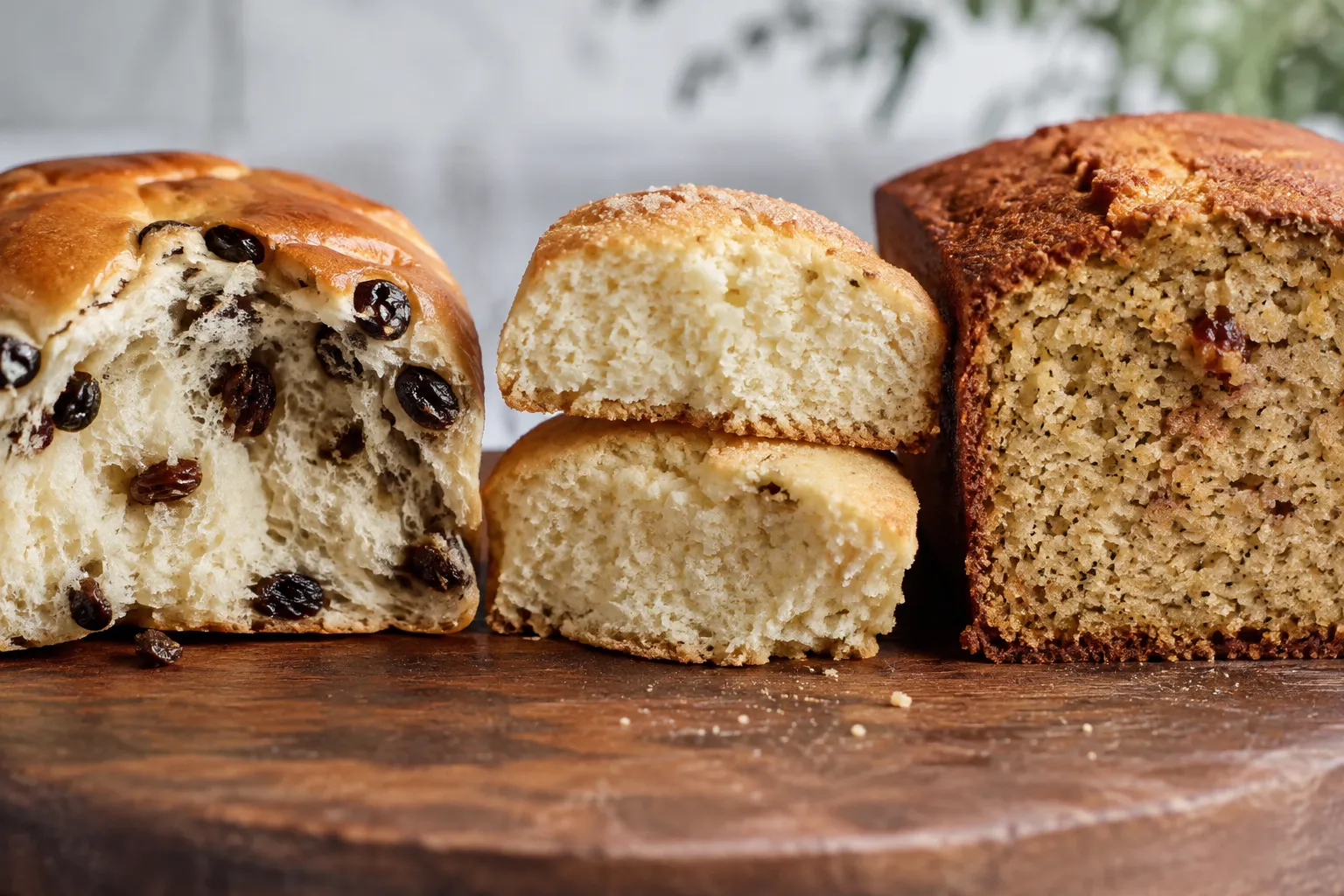
Three broad families dominate:
| Family | Structure & Base | Serving Style |
|---|---|---|
| British Teacakes | Yeasted, bread-like buns enriched with dried fruit | Split open, toasted until crisp, and buttered hot |
| Southern American Tea Cakes | Soft, rolled and cut cookie with a cake-like crumb | Served plain at room temperature |
| Caribbean & South Asian Tea Cakes | Dense pound-cake-style spiced loaf cakes | Cut into thin slices and served plain |
Understanding which family you're dealing with matters, because the techniques don't transfer. Treating a British teacake recipe like a cookie recipe (or vice versa) is the single most common reason people's first attempt goes wrong.
---
British Teacakes: The Original Article
The British teacake has been around since at least the 18th century, evolving out of the broader tradition of enriched breads — the same family that produced hot cross buns and Chelsea buns. It's a yeasted dough enriched with milk, butter, and a little sugar, studded with currants or sultanas, and occasionally flavored with mixed spice.
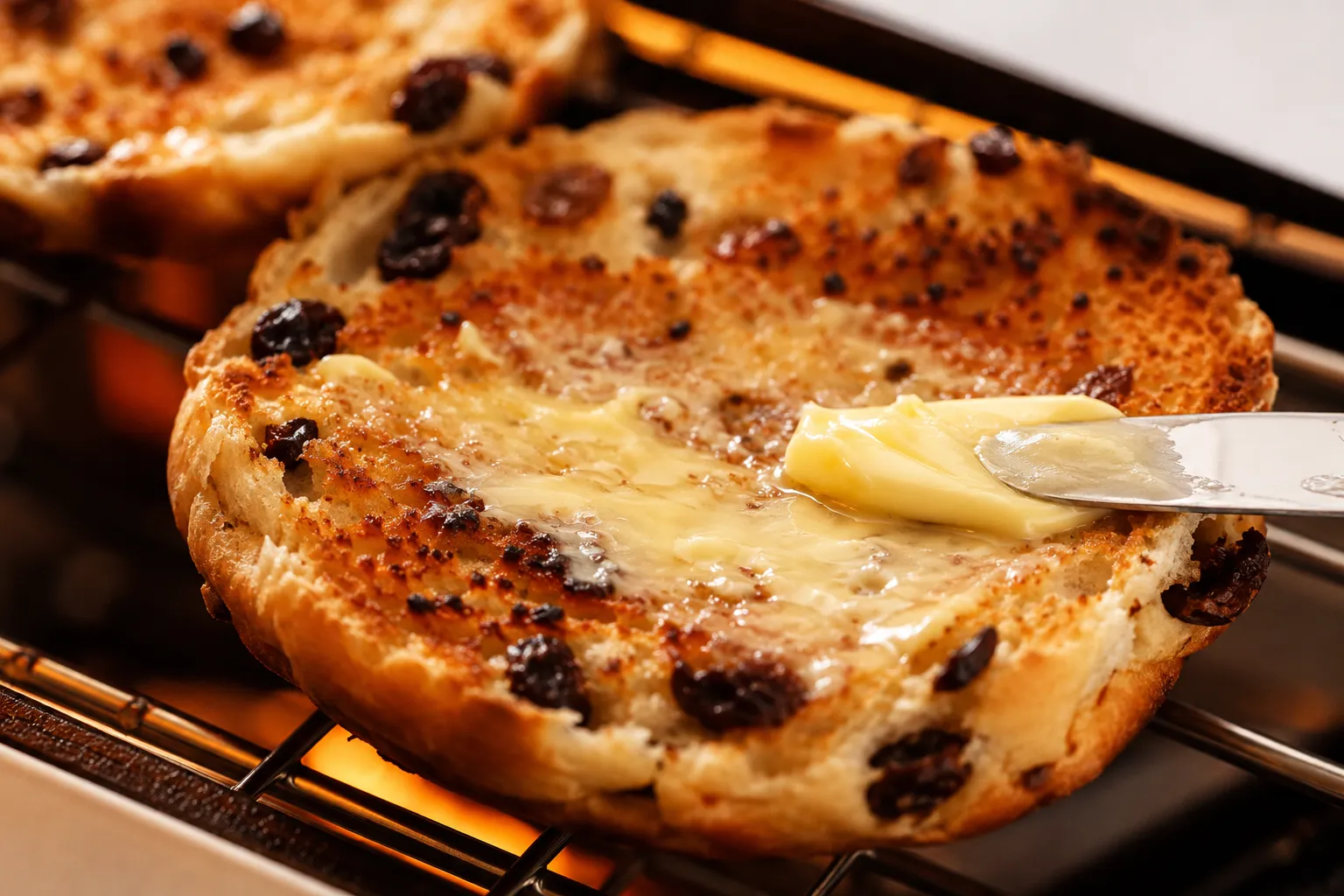
What sets it apart from a bun is the way it's eaten: split in half, toasted until the cut edges char slightly, and buttered while still hot so the butter melts into the crumb. It's a texture thing as much as a flavor thing — the contrast between the crisp toasted surface and the soft interior is the whole point.
#### Making One
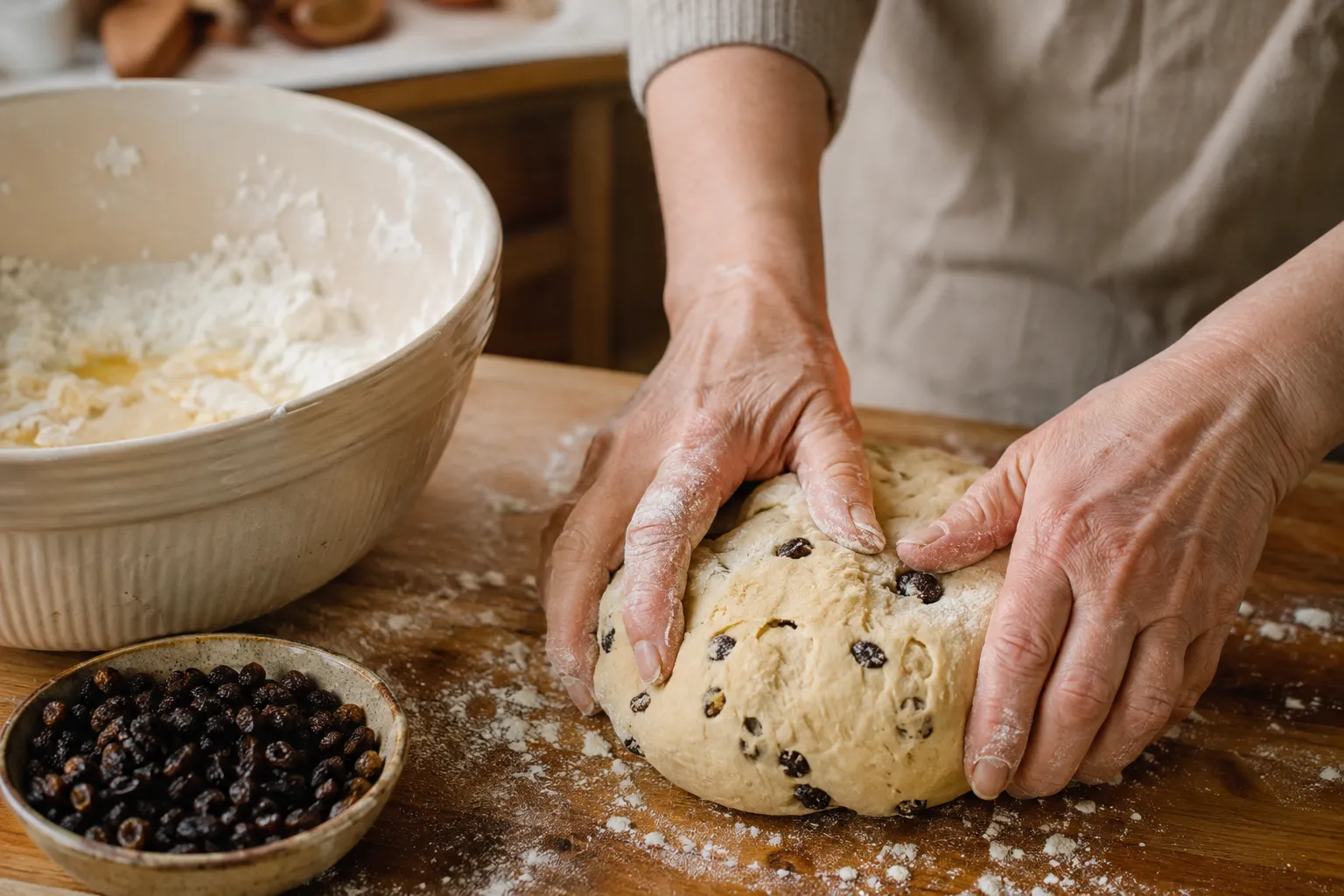
The dough itself is close to an enriched bread dough: strong white flour, a packet of yeast, warm milk, a beaten egg, sugar, and softened butter worked in during kneading.
1. Mix the yeast dough.
2. First rise until doubled.
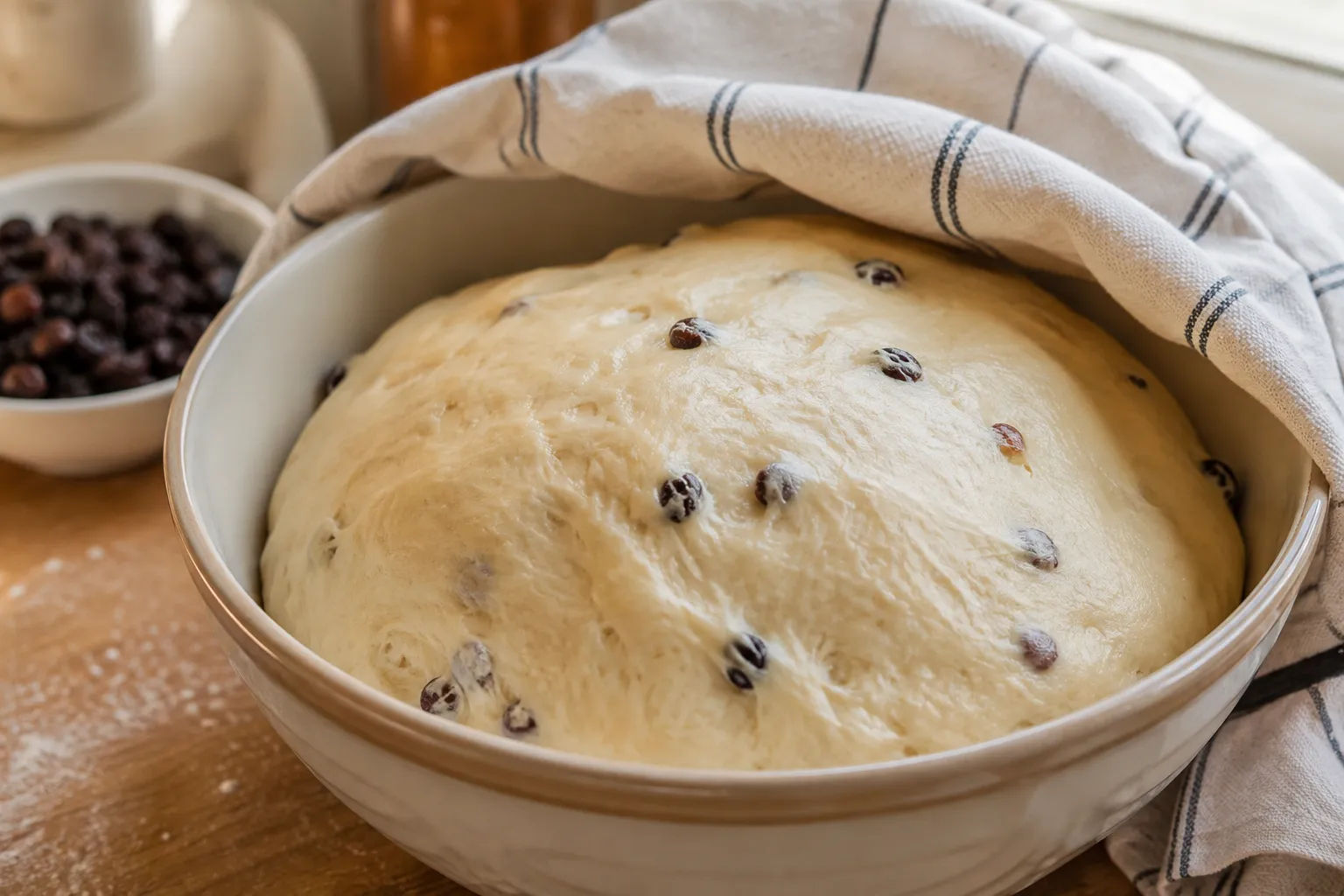
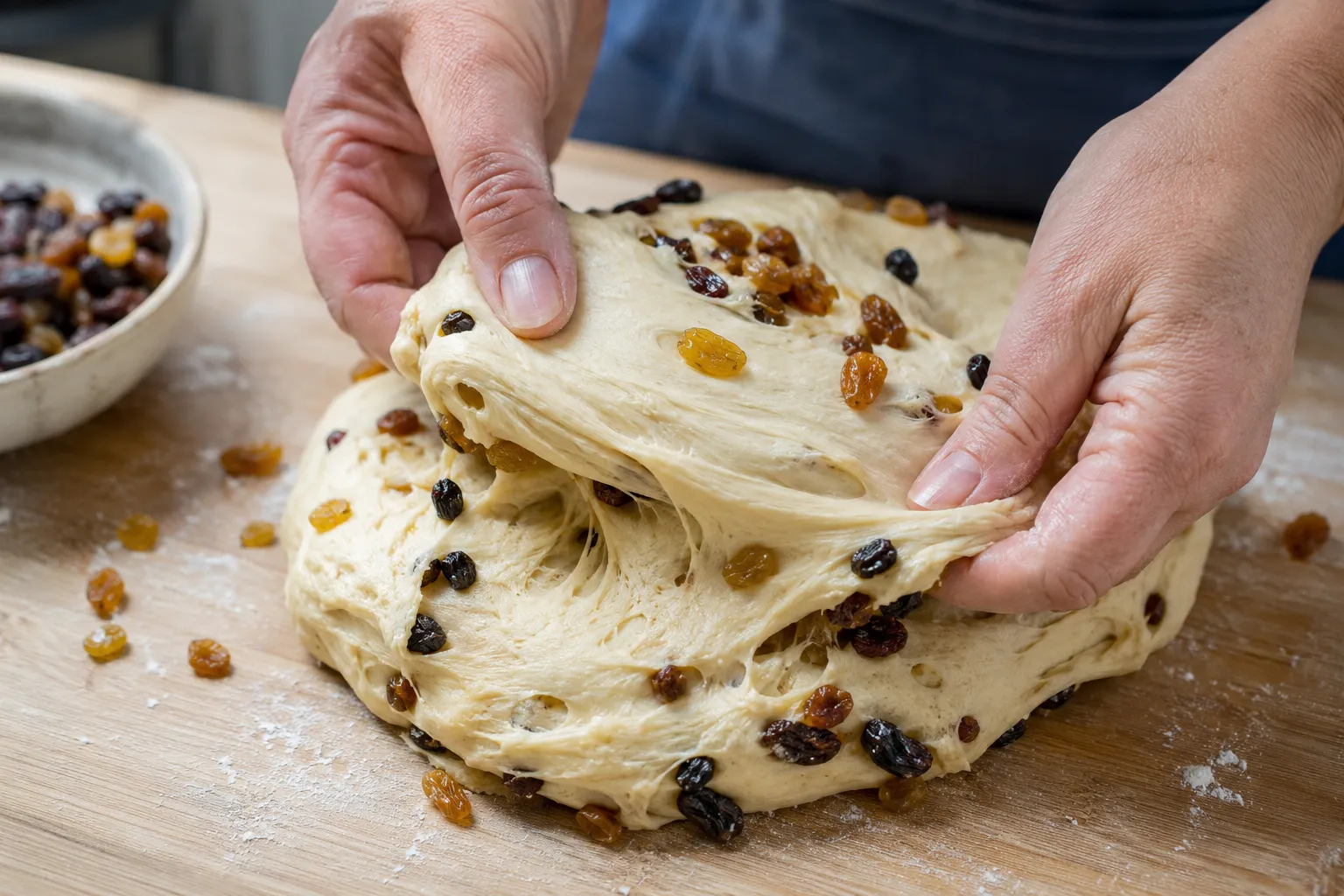
3. Add dried fruit. Dried fruit gets folded in after the first rise, not before — mixing it in too early tends to tear the developing gluten strands.
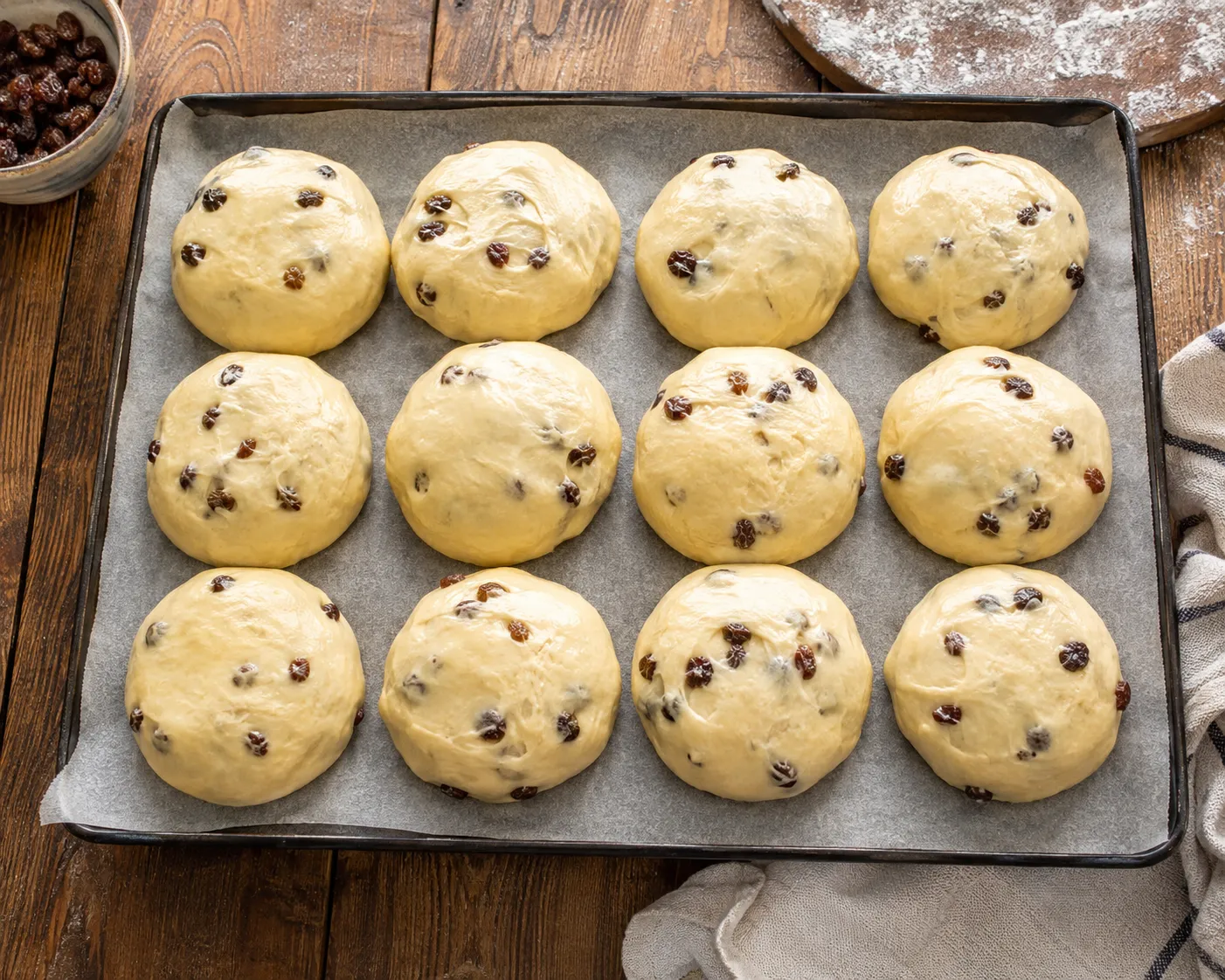
4. Shape and second rise. Shape into rounds and prove a second time until light and airy.
5. Toast and butter. Split, toast until golden brown, and butter while smoking hot.
#### Common mistakes:
---
Southern American Tea Cakes: A Different Animal Entirely
Cross the Atlantic and "tea cake" means something structurally unrelated. Southern tea cakes are a rolled, cut cookie — no yeast involved — with roots that trace back through American home baking traditions, including significant contributions from Black Southern cooks whose family recipes for tea cakes were passed down for generations, often without exact measurements, as a matter of feel and memory rather than a written formula.
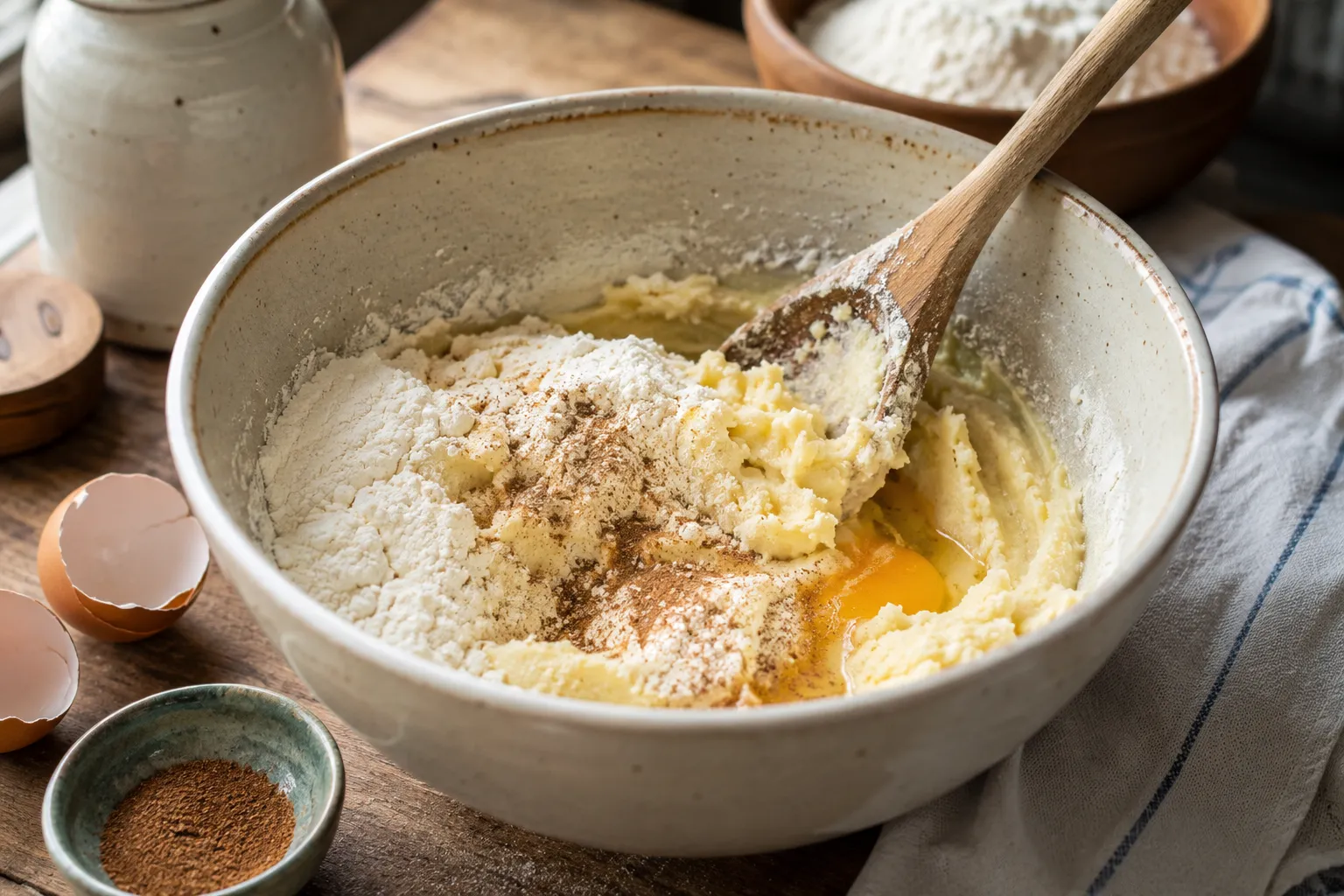
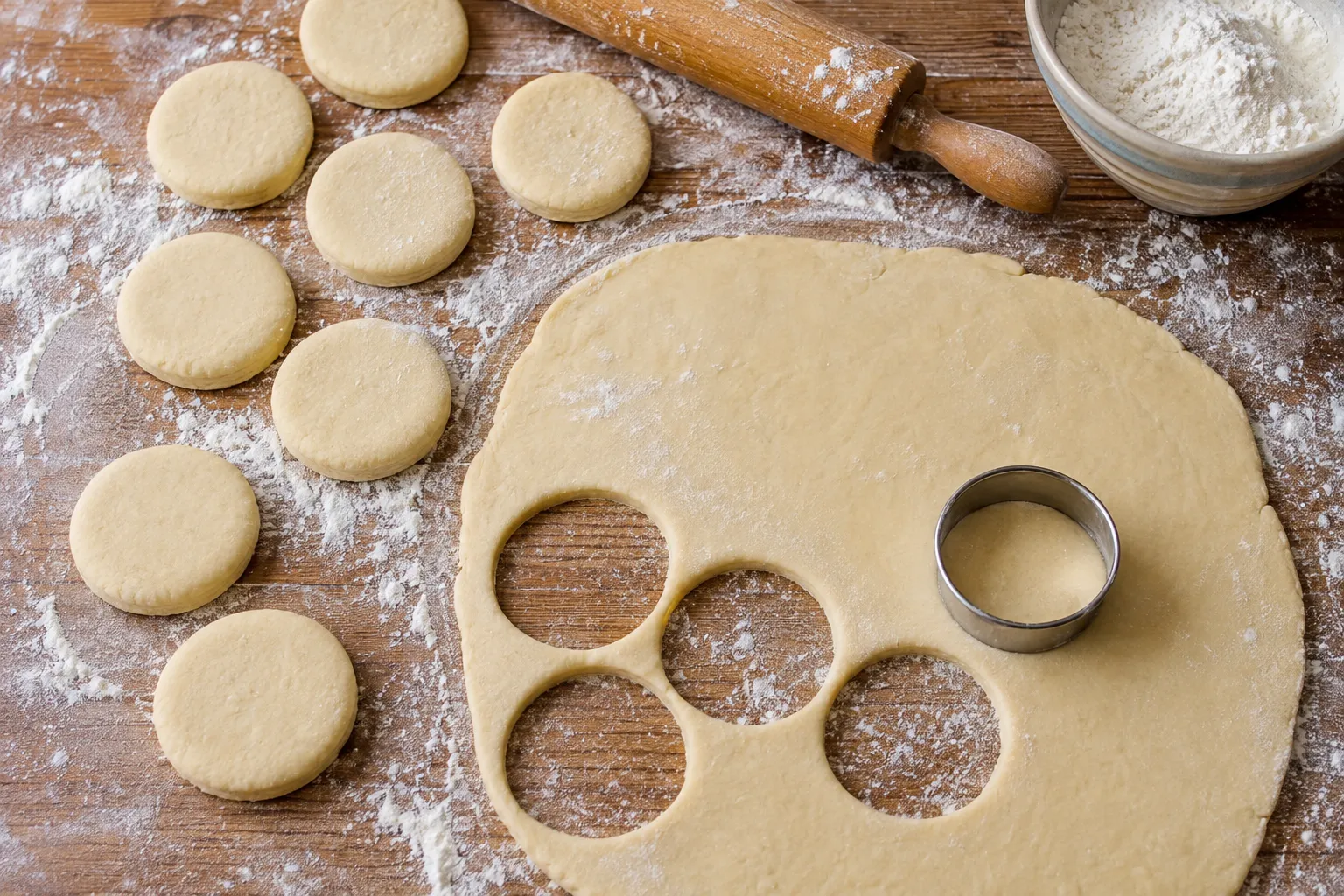
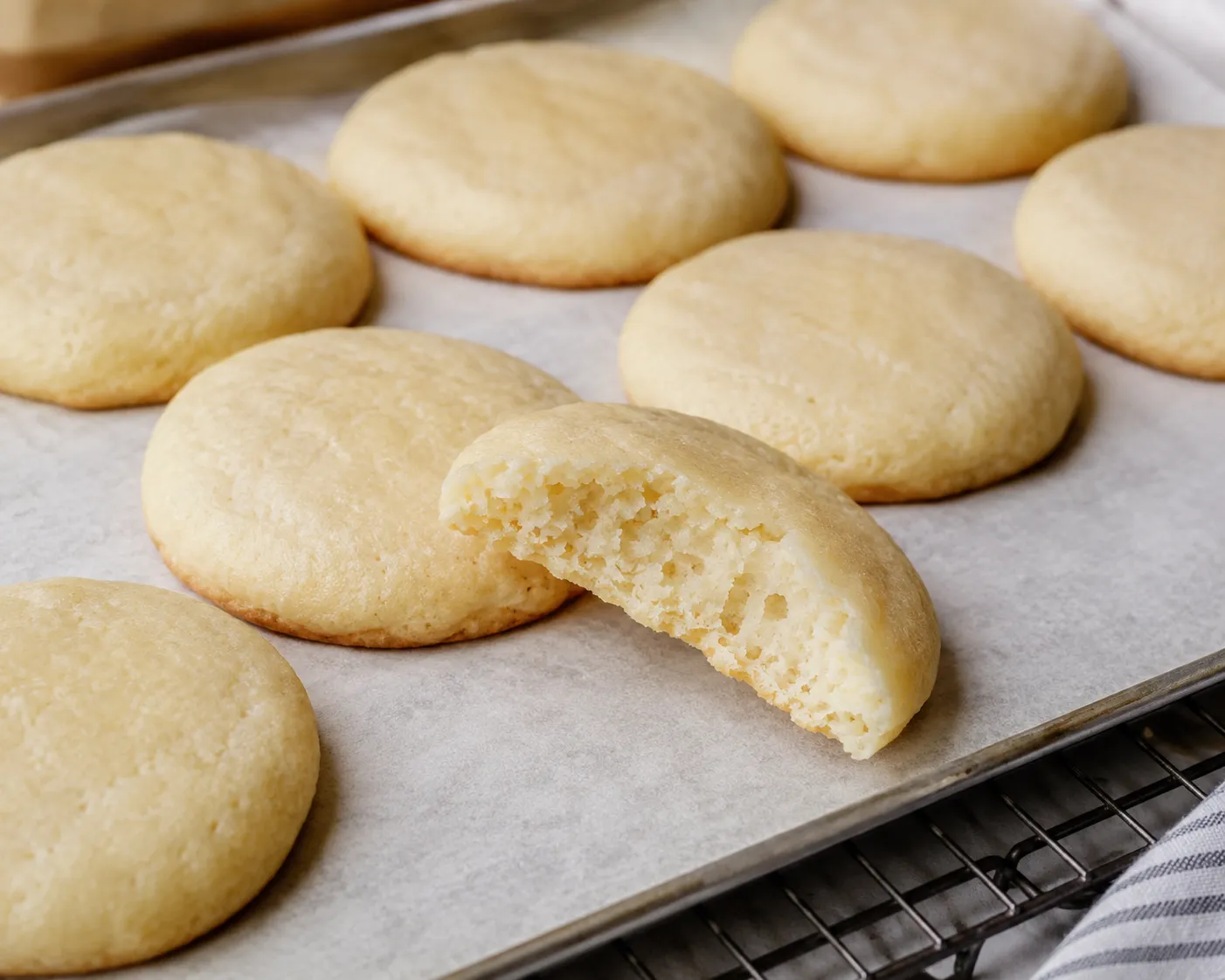
The dough is a simple mix of butter, sugar, eggs, flour, and usually vanilla and a little nutmeg. It's rolled out, cut into rounds, and baked just until set — the goal is a tender, slightly cakey texture rather than a crisp snap. Done right, a tea cake should be soft enough to almost melt, with a faint crust on the bottom from the baking sheet.
#### Getting the Texture Right
The biggest variable is how much flour gets worked into the dough. Southern tea cake recipes are notoriously forgiving about proportions, which is part of why every family's version tastes slightly different — but the dough needs to be soft enough to roll without being sticky, and firm enough to hold a cut shape.
#### Common mistakes:
---
Caribbean and South Asian Tea Cakes: The Loaf Tradition
In Trinidad, Jamaica, parts of the wider Caribbean, and across South Asia (particularly in old colonial tea-house traditions in India, Pakistan, and Sri Lanka), "tea cake" usually refers to a dense loaf cake, closer to a pound cake or fruit cake, sliced and served plain or lightly glazed.
These loaves lean on warm spices — nutmeg, cinnamon, sometimes cardamom — and are often enriched with condensed milk or a generous amount of butter, giving them a moist, tight crumb that keeps well for days.
#### The Basic Method
Unlike the yeasted British version or the rolled Southern cookie, this style follows standard creamed-cake method:
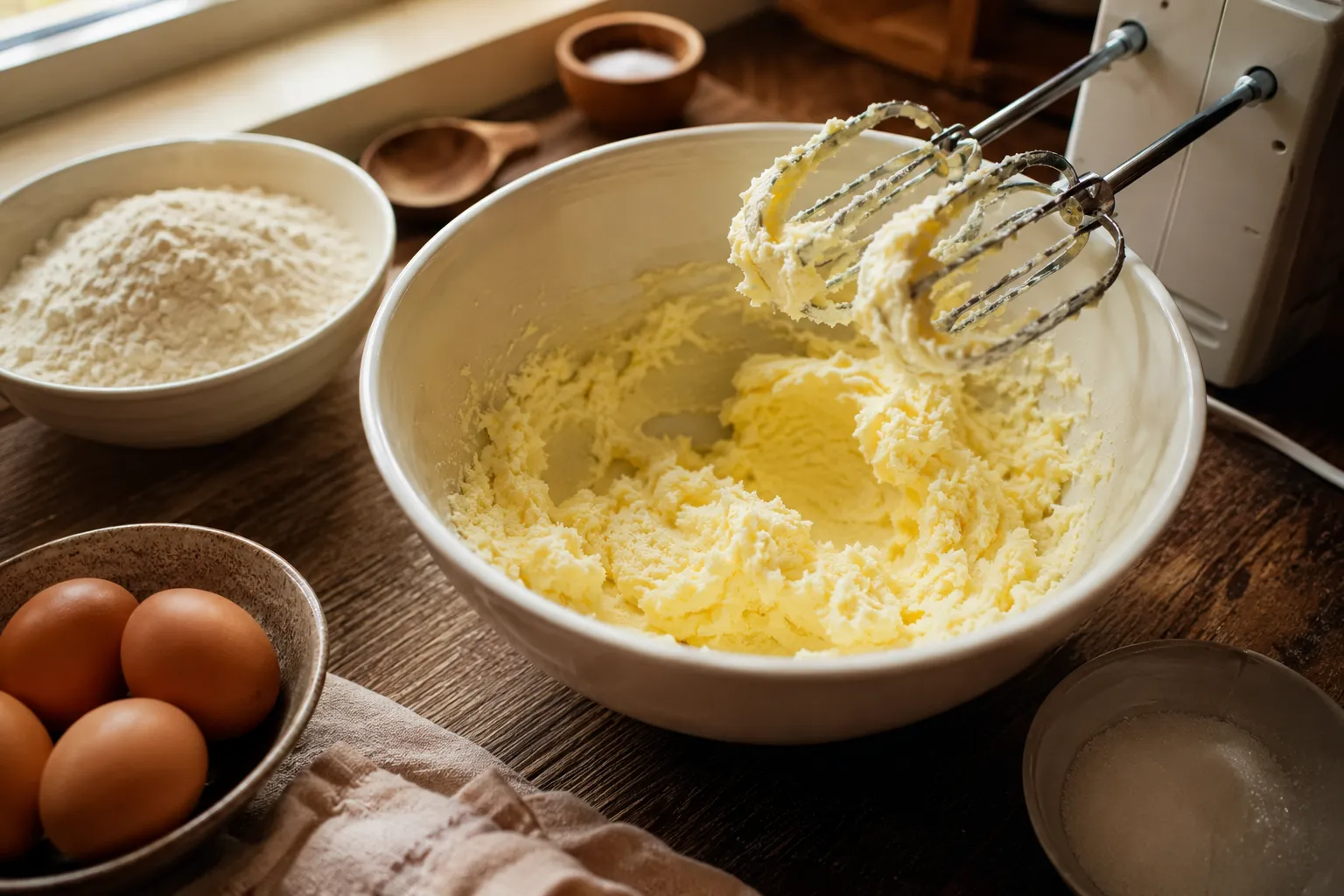
1. Cream butter and sugar until pale and fluffy.
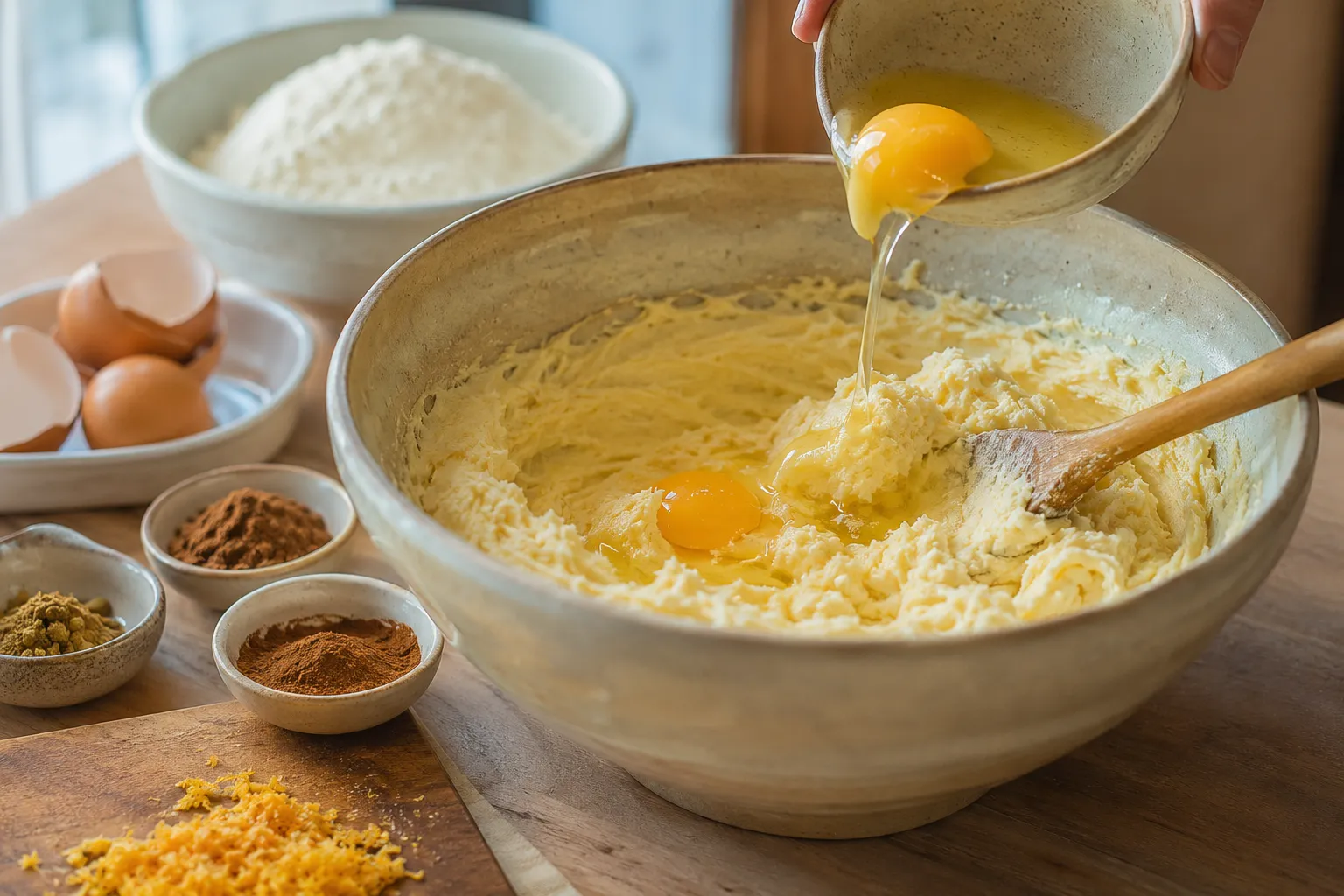
2. Add eggs and warm spices gradually.
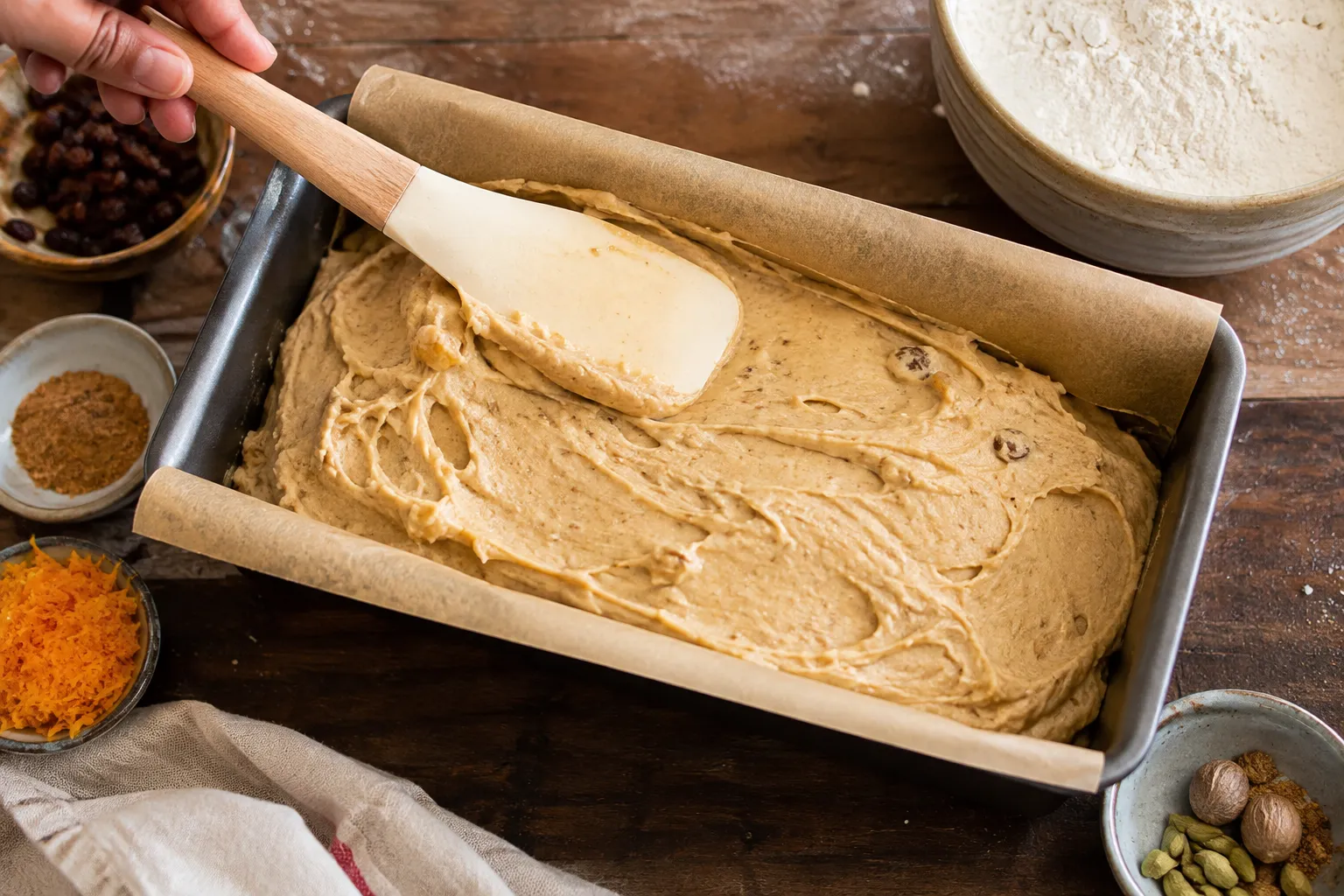
3. Fill the lined loaf tin.
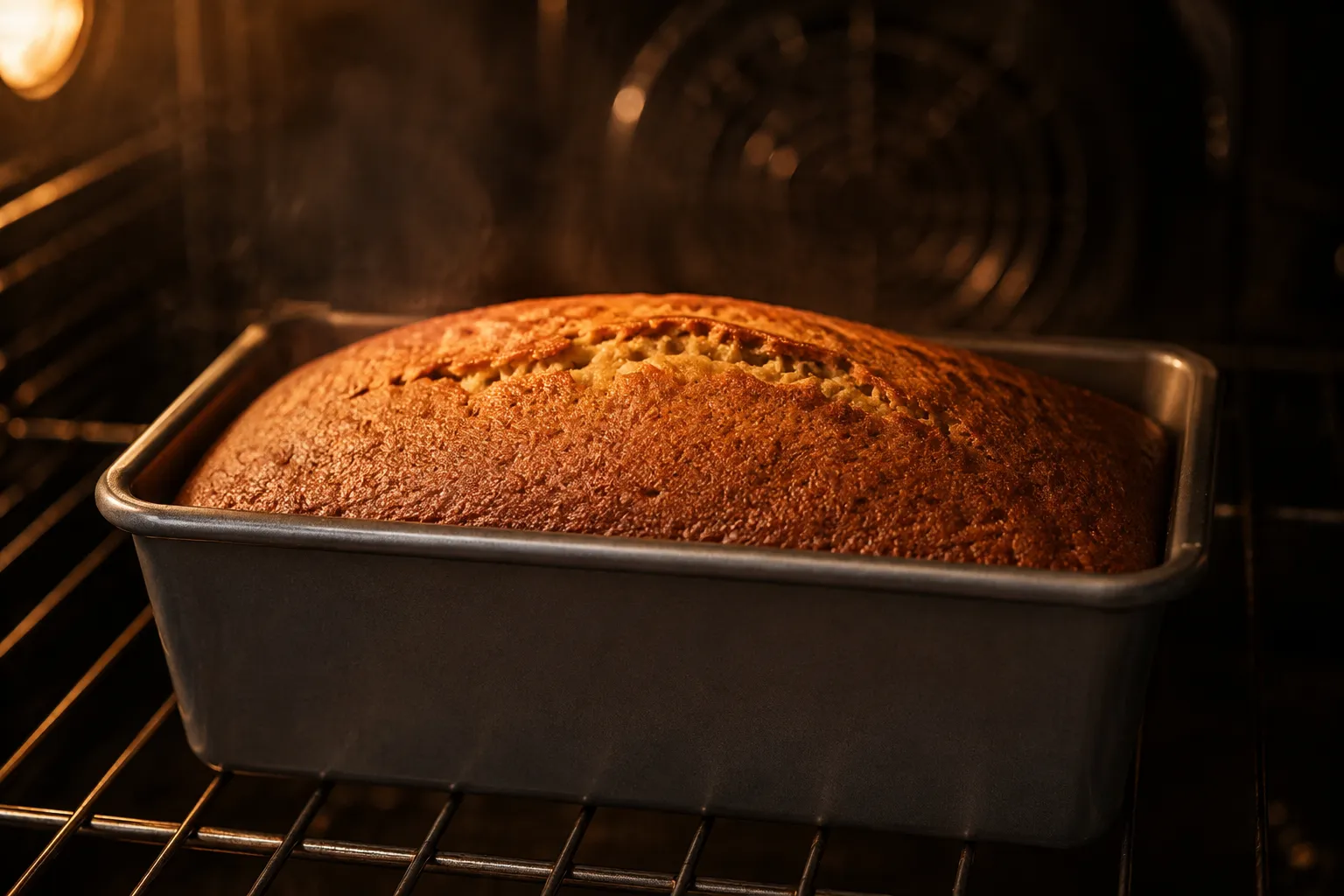
4. Bake low and slow. Bake at 325°F (160°C) to ensure an even rise without a cracked top.
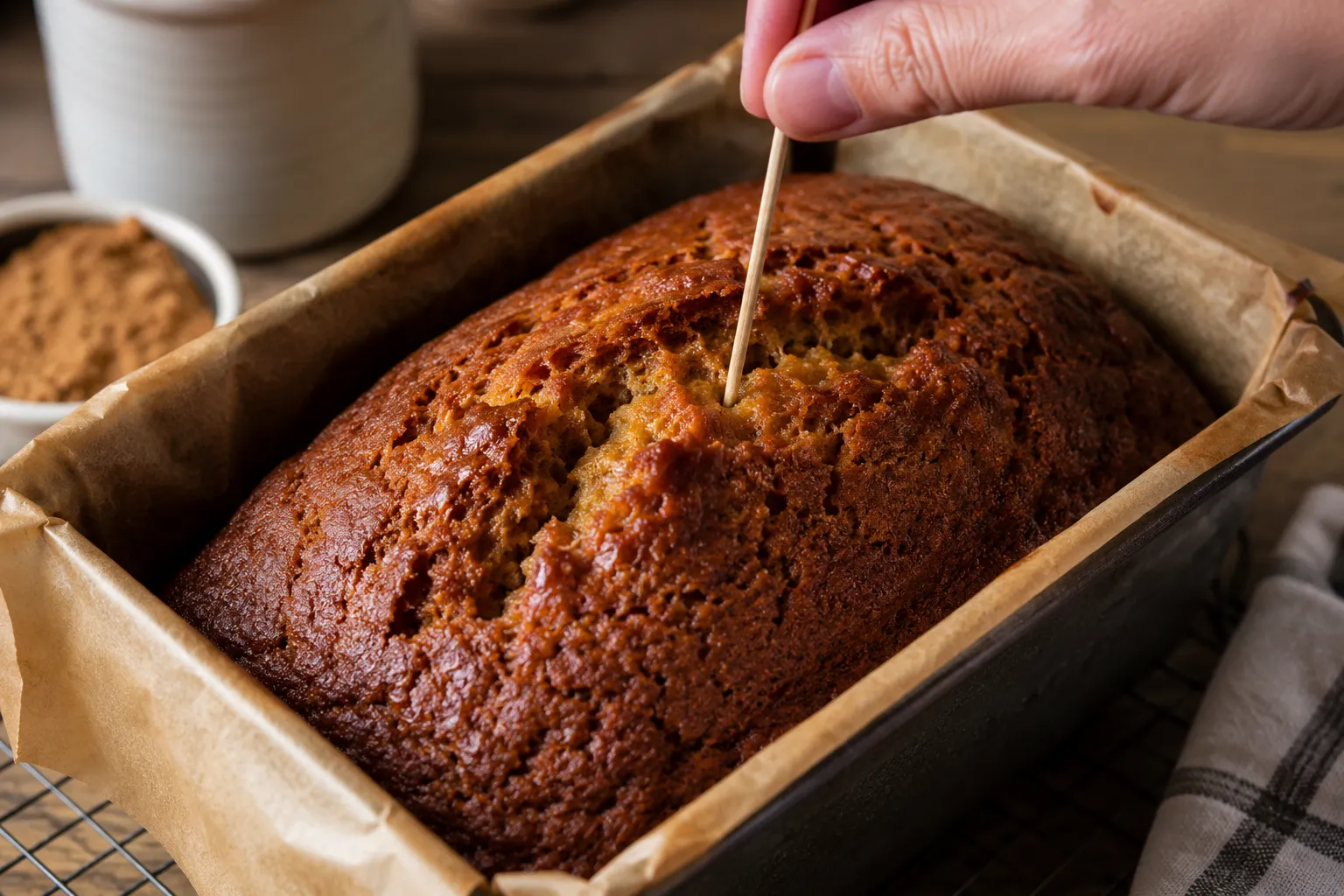
5. Test the center. A skewer inserted into the center should come out clean.
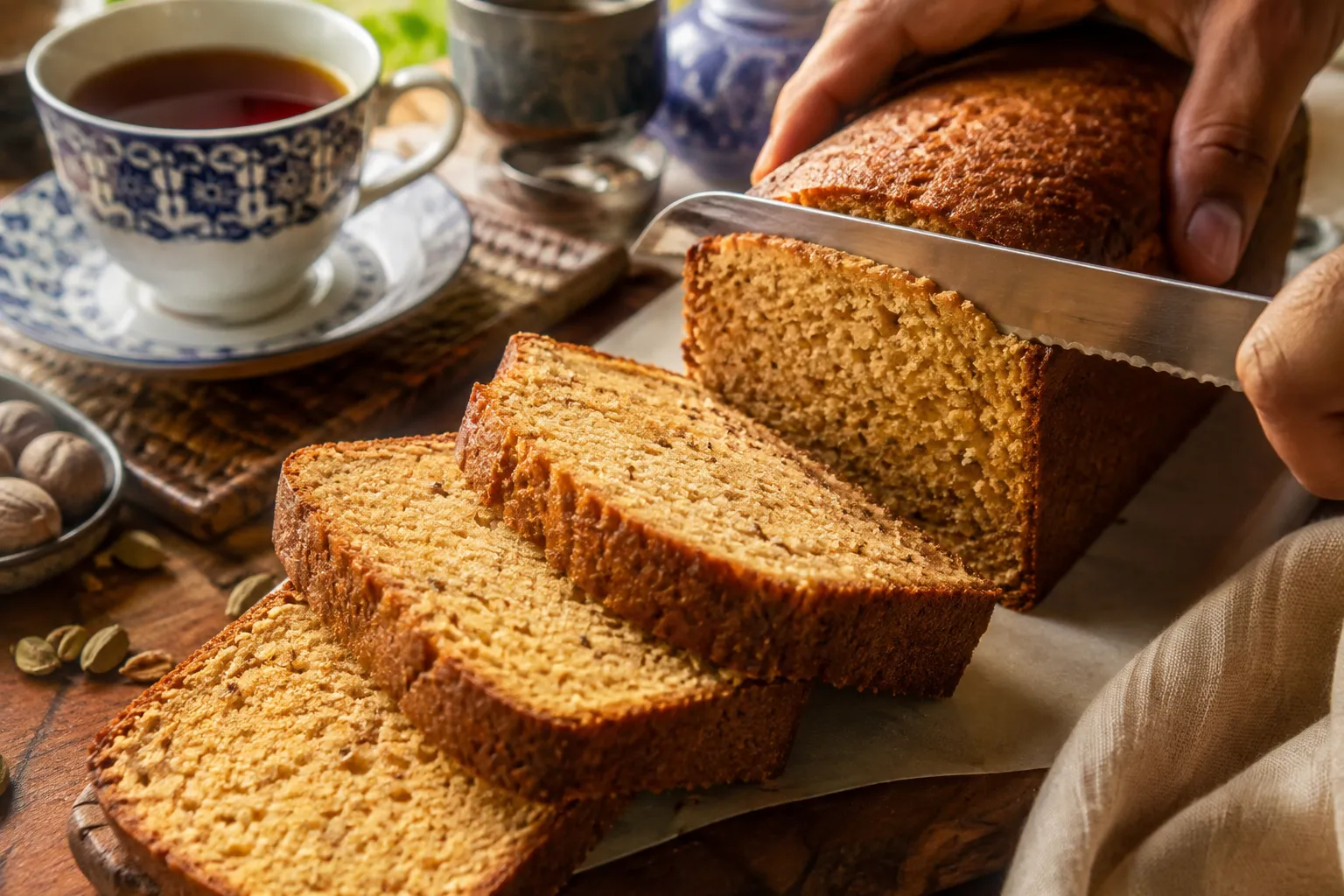
6. Cool and slice thin. Cool completely on a wire rack before slicing.
---
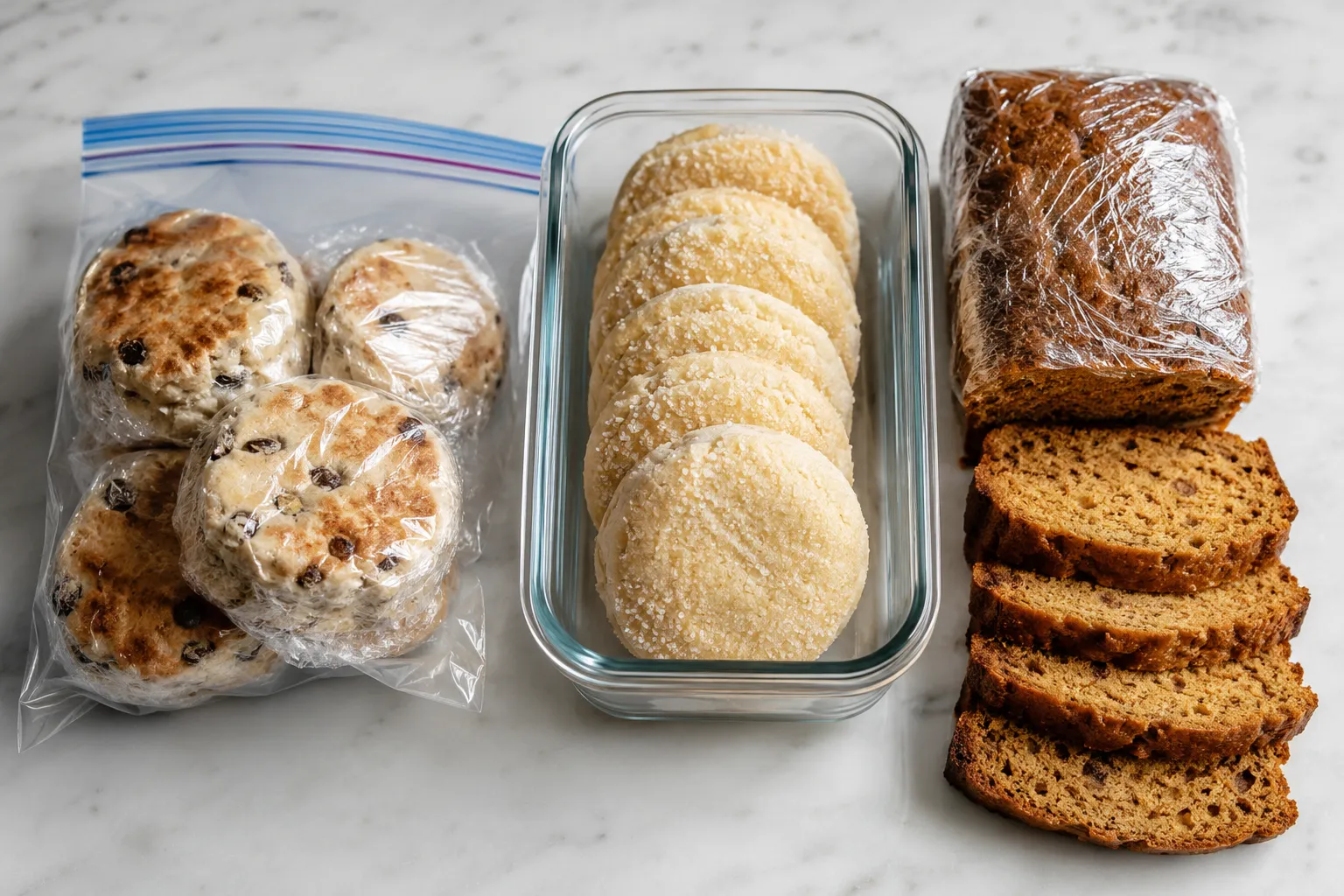
Storage and Shelf Life Across Varieties
Storage needs differ by type, which is worth knowing before you bake a batch expecting it to last:
---
Frequently Asked Questions
---
The Bottom Line
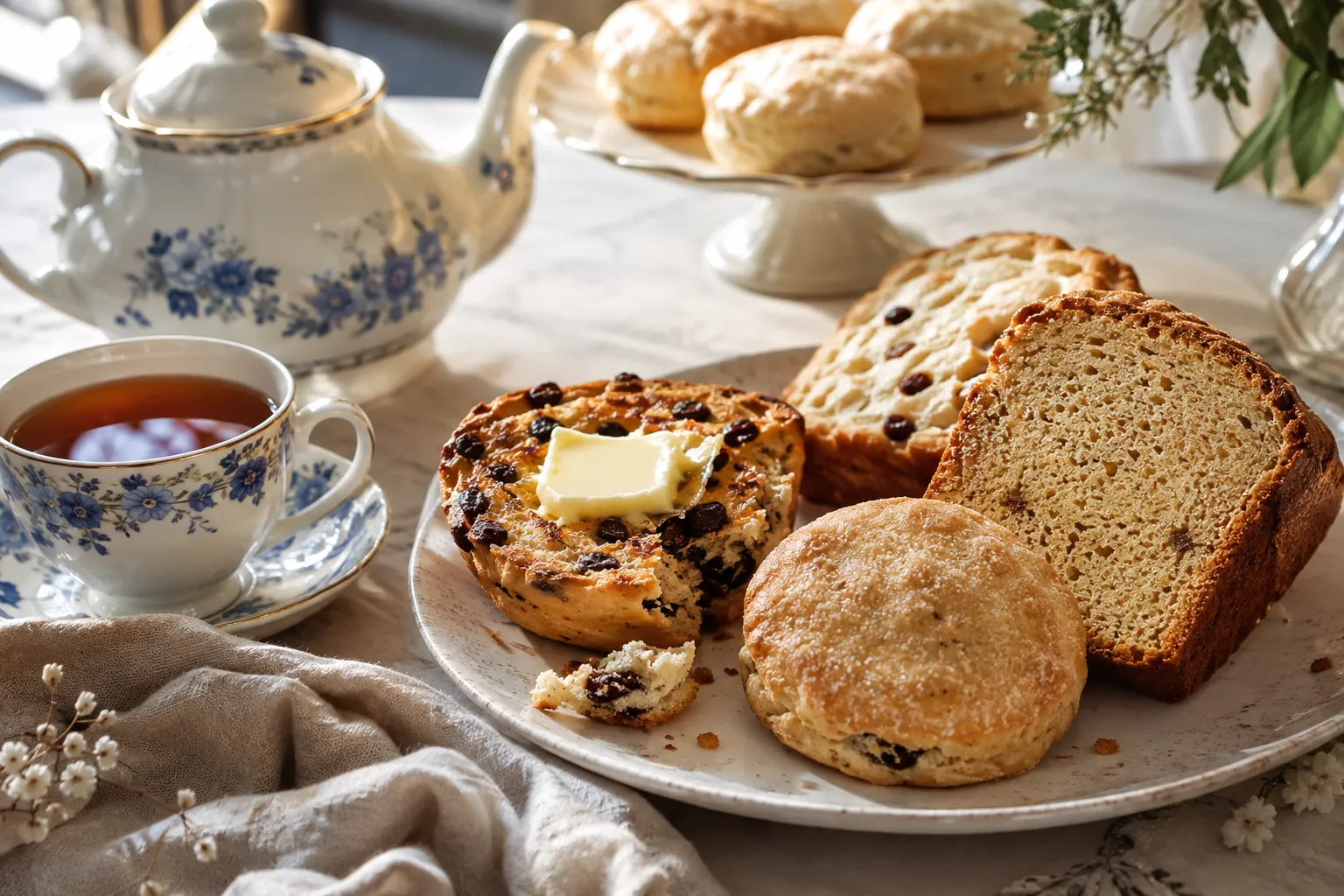
"Tea cake" isn't a single recipe you can master once and consider done — it's an umbrella covering at least three genuinely different baking traditions, each shaped by its own regional history and technique. The British version rewards patience with yeast and a good toasting. The Southern version rewards a light hand with the dough. The Caribbean and South Asian loaf versions reward slow, even baking and a little patience before slicing.
If you're trying one for the first time, pick based on what you actually want to eat: something bread-like and toasted, something cookie-soft, or something dense and spiced. They're not interchangeable, and pretending otherwise is exactly how a lot of first attempts go sideways.