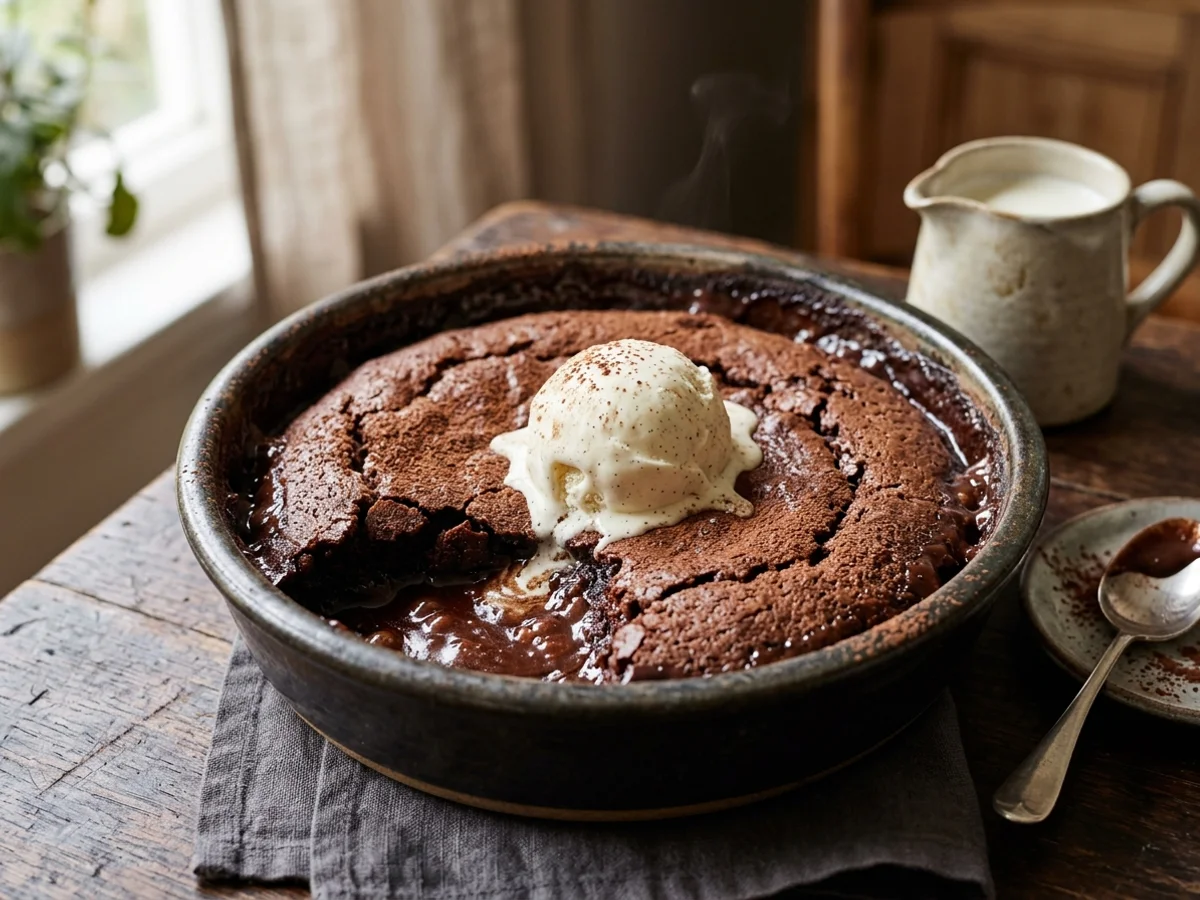
Few winter desserts carry the pure nostalgia of a classic Australian chocolate self-saucing pudding. As a kid standing by the oven door, watching water and dry cocoa sugar disappear into a bubbling cake seemed like true kitchen sorcery. When you plunge a deep serving spoon through that tender sponge crust, rich dark chocolate fudge sauce flows out in molten rivers.
Despite its restaurant-worthy presentation, this beloved pudding requires zero technical equipment or complicated steps. You mix a quick one-bowl sponge batter, sprinkle it with cocoa and brown sugar, pour boiling water straight over the top, and let oven convection do the rest.
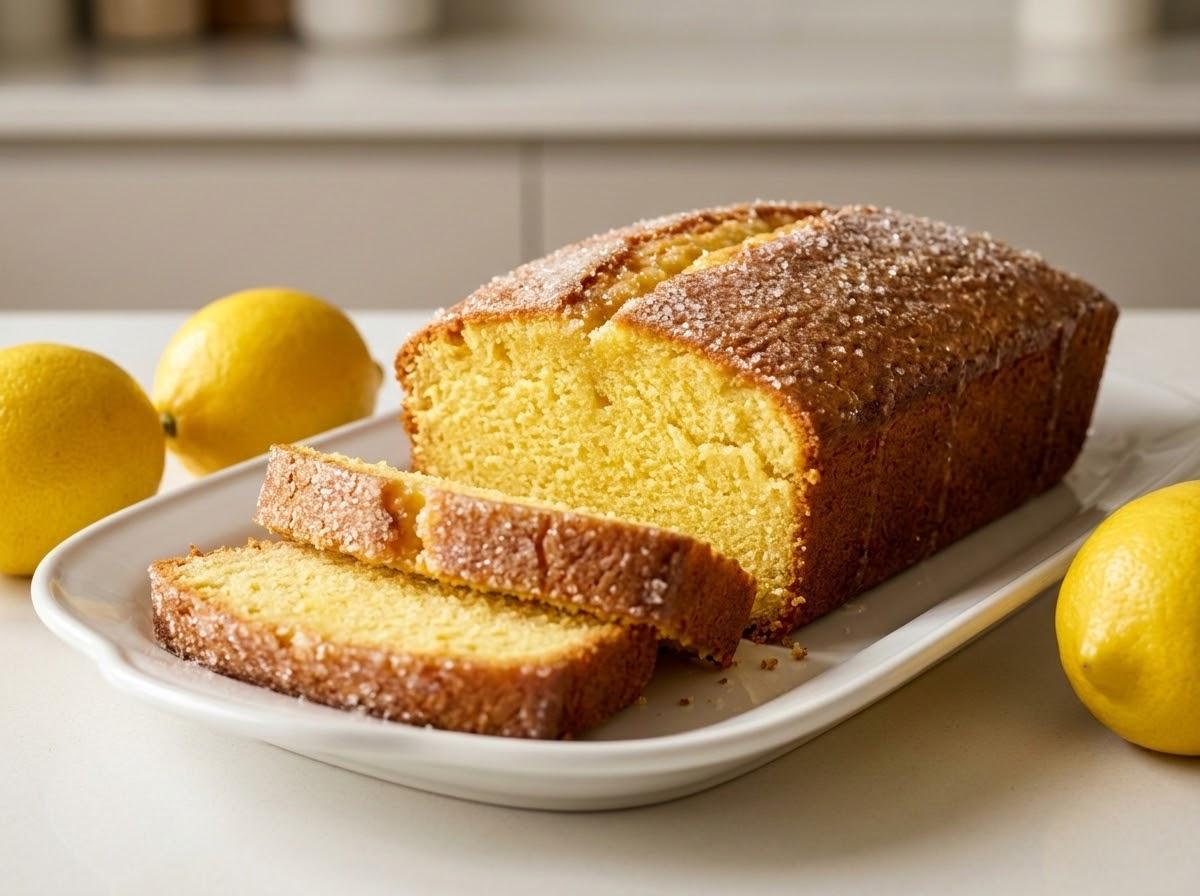
If you enjoy classic Australian bakes, be sure to try our Easy No-Bake Hedgehog Slice, Classic Lemon Drizzle Cake, and Traditional Lemon Slice.
The Physics Behind the Self-Saucing Magic
How does liquid poured over the top of cake batter end up on the bottom as thick sauce? The secret lies in relative densities and leavening buoyancy.
Density and Buoyancy at Work
The cake batter contains aerated fats and raising agents that produce carbon dioxide gas bubbles when heated, causing the sponge to rise upward. Meanwhile, the dense sugar-cocoa water mixture has a higher specific gravity, filtering downward to the bottom of the dish where starches leach out and thicken the liquid into a luscious sauce.
Essential Ingredients for Maximum Chocolate Flavor
- Self-Raising Flour: Provides dependable lift so the sponge stays light and fluffy rather than dense and heavy.
- Dutch-Process Cocoa Powder: Dutch cocoa is alkalized to remove sharp acidity, resulting in a smooth, mellow chocolate flavor with deep ebony color.
- Soft Brown Sugar: Using brown sugar for the sauce layer adds natural molasses notes, creating a rich caramel-chocolate undertone.
- Melted Butter and Whole Milk: Adds fat and richness that keeps the crumb tender without drying out under baking heat.
- Boiling Water: Must be poured freshly boiled to immediately dissolve the sugar topping and jumpstart sauce thickening.
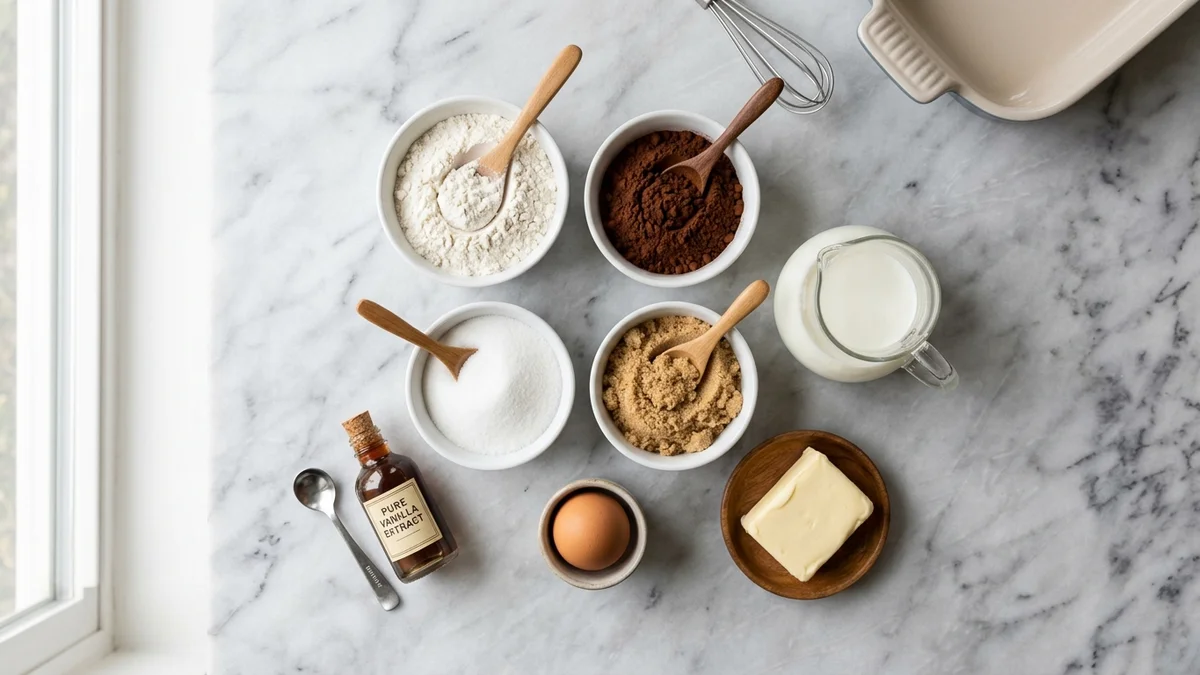
Pantry Essentials: Self-raising flour, Dutch cocoa powder, brown sugar, melted butter, milk, and vanilla
Step-by-Step Baking Method
Whisk the Sponge Batter
Sift 150g self-raising flour, 100g caster sugar, and 25g cocoa powder into a large bowl. Whisk together melted butter, milk, egg, and vanilla, then stir into the dry ingredients. The batter will be thick and spoonable. Spread evenly across your greased baking dish.
Apply the Cocoa Sugar Crust
Mix 100g brown sugar with 25g cocoa powder in a small bowl, rubbing out any sugar lumps with your fingers. Scatter this mixture evenly over the entire surface of the raw batter.
The Gentle Spoon Pour
Hold the back of a large metal tablespoon close to the surface of the pudding. Slowly pour 375ml of boiling water over the spoon so it cascades across the surface without gouging the batter underneath. Do not stir.
Bake Until Springy
Bake at 180°C (160°C fan) for 30 to 35 minutes. When ready, the sponge will look firm and spring back gently to a light touch, while rich glossy fudge sauce bubbles around the sides of the dish.
Common Mistakes to Avoid
Overbaking and Drying Out Sauce
If you leave the pudding in the oven for 45 minutes or longer, the sponge will soak up every drop of liquid, leaving no sauce. Check at the 30-minute mark.
Stirring the Boiling Water
Never stir after pouring the water. Stirring breaks down the delicate separation needed for the cake to rise above the sauce.
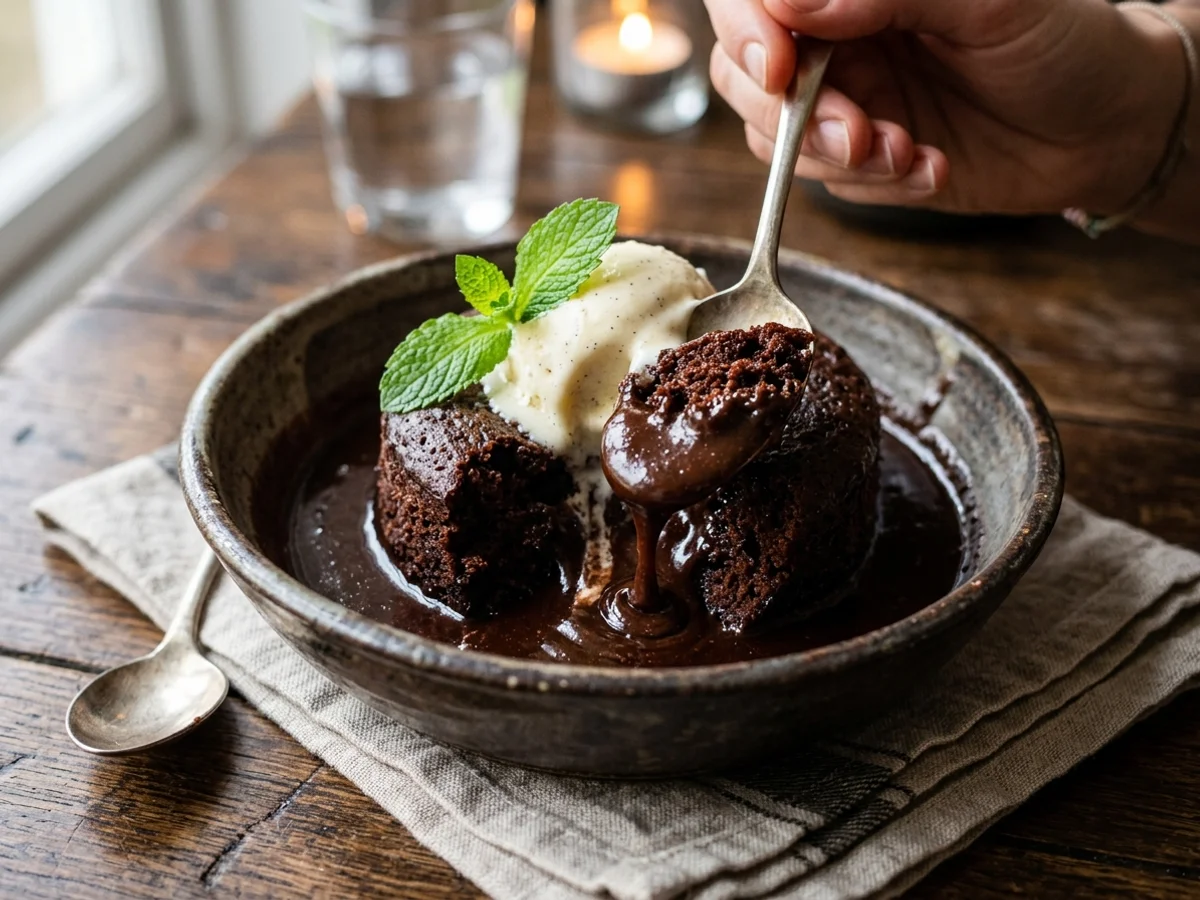
Serving Suggestion: Spoon immediately into warm bowls with a scoop of vanilla bean ice cream or double cream.
Frequently Asked Questions
How does a chocolate self-saucing pudding work? +
The magic comes down to physical density and heat convection. The dry cocoa-sugar mixture and boiling water are heavier than the leavened cake batter. During baking, the cake rises to the top while the liquid cocoa sugar mixture filters downward, thickening into a rich, velvety fudge sauce at the base.
Why is my pudding dry with no sauce? +
Overbaking is the primary culprit. If left in the oven too long, the sponge absorbs the sauce liquid completely. Pull the pudding out as soon as the center of the cake is springy and sauce bubbles around the sides.
What type of cocoa powder is best for this pudding? +
Dutch-process cocoa powder produces the richest, dark chocolate flavor and deepest color because acidity has been neutralized. Natural unsweetened cocoa powder also works well.
Can I make chocolate self-saucing pudding ahead of time? +
You can prepare the batter in the dish and keep the dry sugar-cocoa topping in a separate container. Do not pour the boiling water until right before placing the dish into the preheated oven.
How do you reheat leftover chocolate pudding? +
Reheat individual portions in the microwave for 30 to 45 seconds on medium power. Add a splash of milk over the top before reheating if the sponge has absorbed the sauce in the fridge.
Why must you pour boiling water over the back of a spoon? +
Pouring boiling water directly will punch craters into the tender sponge batter. A spoon diffuses the stream into a gentle sheet, preserving the separation of the cake and sauce layers.
Can I make this dessert gluten-free? +
Yes, substitute self-raising flour with a 1:1 gluten-free self-raising baking blend containing xanthan gum. The sauce and sponge will perform identically.
What dish size is best for this recipe? +
A 2-litre (approx. 8-cup / 20x20cm or 22cm round) deep ceramic or tempered glass baking dish allows adequate room for the cake to rise without bubbling over.
Can you freeze chocolate self-saucing pudding? +
Freezing is not recommended because the distinct sauce and cake layers combine into a soggy mass upon thawing. This dessert is best enjoyed fresh from the oven.
What can I add for extra richness? +
Fold 1/2 cup of dark chocolate chips into the batter, or replace 1/4 cup of the boiling water with strong brewed espresso for a decadent mocha pudding.